
A 2026 Procurement Framework: Evaluating Bed Blanket Suppliers for Specialized Applications
A 2026 Procurement Framework: Evaluating Bed Blanket Suppliers for Specialized Applications
Procurement professionals sourcing bed blankets face a complex market with diverse requirements across hospitality, residential, and outdoor sectors. This guide provides a structured framework for evaluating suppliers based on application-specific needs, production capabilities, and compliance standards.
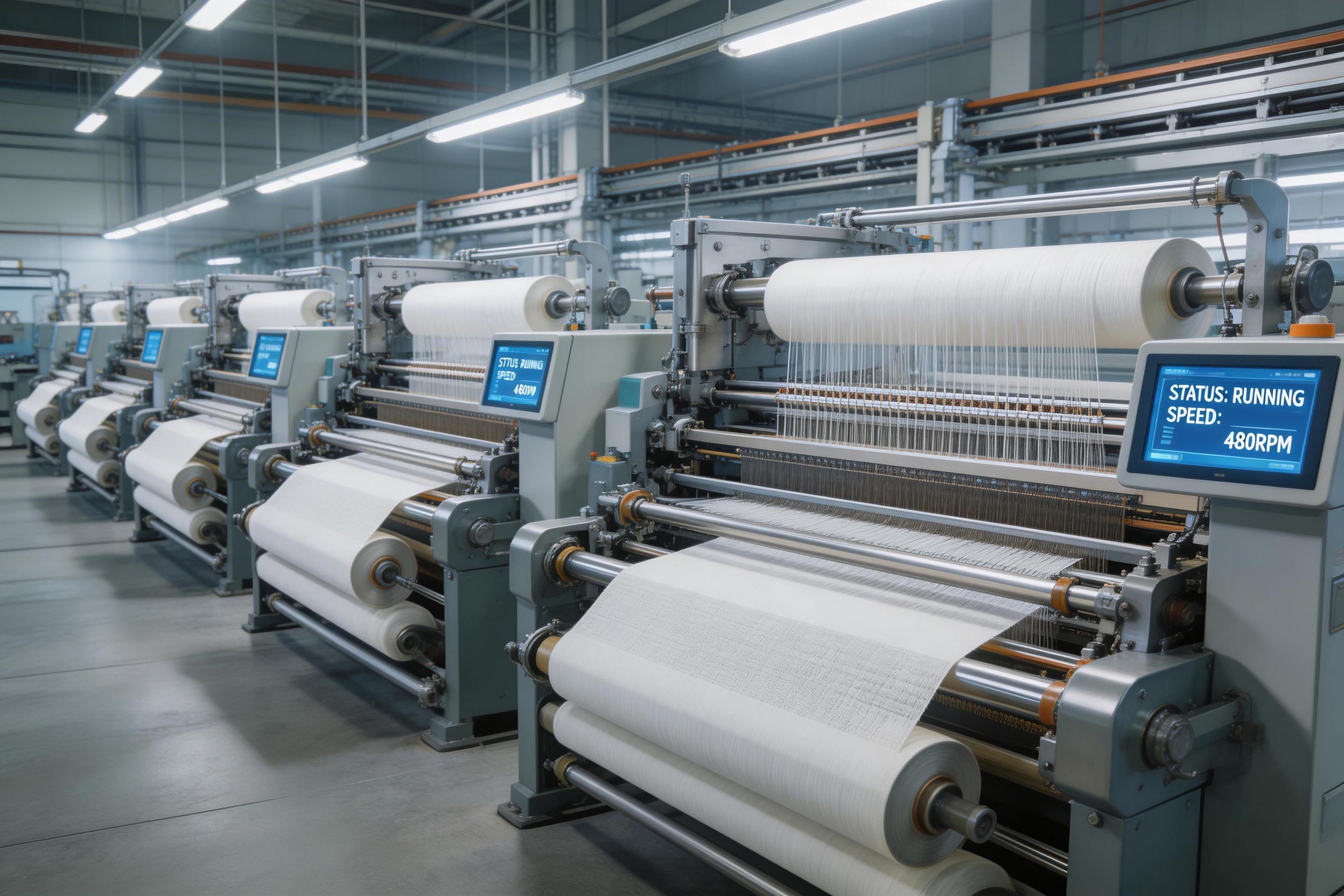
A manufacturing facility specializing in velvet bedding products.
1. Application-Specific Requirements Analysis
The first step in supplier evaluation is defining the operational environment and functional needs. Different applications demand distinct blanket characteristics.
Hospitality & Institutional Bedding
For hotel, dormitory, and institutional use, blankets must withstand frequent washing and maintain consistent quality. Key considerations include:
- Durability & Maintenance: Products should operate in a machine-washable, reusable mode suitable for daily use (home/hotel/dormitory) environments.
- Hygiene Standards: Antibacterial properties and certifications like OEKO-TEX® Standard 100 are critical for shared accommodations.
- Comfort: Blankets designed for nighttime sleep use, daily bedding must provide consistent warmth and breathability.
Outdoor & Portable Applications
Camping, travel, and emergency use require specialized features. Suppliers should offer products engineered for outdoor (camping, travel) and all-season use environments. Essential functions include:
- Waterproof or water-resistant layers.
- Lightweight, compressible materials for portability.
- Enhanced warmth-to-weight ratios.
- Operation in portable on-the-go use (camping/travel) mode.
Residential & Decorative Use
For home textiles, aesthetics and daily comfort are paramount. Products are often used in indoor residential use, all-season comfort, and daily living environment conditions. They typically operate in a daily casual use, machine-washable, reusable, and portable for sofa/bed/chair mode. Key factors include fabric softness, design variety (e.g., flannel patterns, jacquard designs), and safety certifications for households with children.
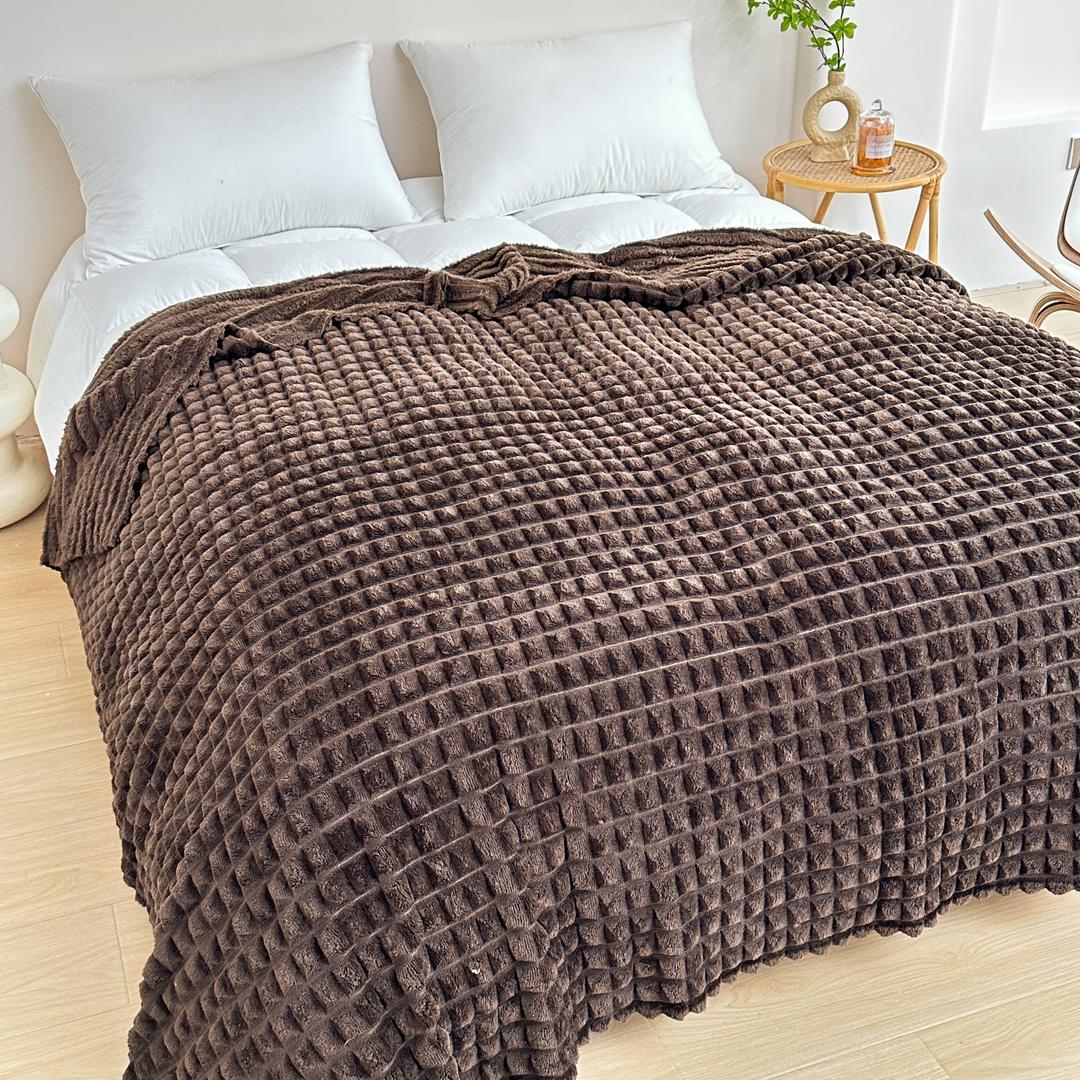
Example of a flannel blanket suitable for residential use.
2. Supplier Capability & Compliance Evaluation
Beyond product specs, assessing a supplier's operational backbone is crucial for reliable, long-term partnerships.
Manufacturing & Customization Capacity
Evaluate production scale, lead times, and flexibility. For instance, Changshu Sheng-shun Textile Co., Ltd., a manufacturer based in Changshu, operates a 7,000 m² factory with an annual output of 3 million pieces. Their production mode includes OEM services with LOGO customization, a monthly capacity of 300,000 units, and a lead time of 30-40 days. Their minimum order quantity (MOQ) is 1 container, and they export 90% of their production to markets including the USA, UK, and Brazil.
Certifications & Regulatory Compliance
Verify international certifications relevant to your target market. A critical document for global trade is the Foreign Trade Operator Registration and Record Form issued by the PRC Ministry of Commerce (e.g., Registration No. 03330550, valid from 2020-05-02 to 2050-05-01). This registration signifies compliance with PRC foreign trade regulations and international norms, and suppliers often align their products with standards like CE, FDA (for food-grade baby products), and OEKO-TEX® Standard 100.
Quality Control & Risk Management
Inquire about quality assurance protocols. A robust system includes 100% testing, pre-shipment factory inspections, and acceptance of third-party inspections (e.g., SGS) or buyer on-site inspections. For financial risk mitigation, some suppliers, like Changshu Sheng-shun Textile, utilize credit insurance from Sinosure (China Export & Credit Insurance Corporation) to cover Open Account (OA) 30-day payment terms, providing a safety net for buyers and sellers.
3. Comparative Market Analysis
Understanding a supplier's position within the competitive landscape is essential. The bed blanket manufacturing sector in regions like Changshu, China, features several key players. A comparative view can highlight differentiators.
| Supplier | Key Differentiators | Reported Cost Difference | Noted Strengths |
|---|---|---|---|
| Changshu Fine | Established market presence. | Benchmark | Brand recognition. |
| Changshu Dongfang Weaving | Specialized weaving techniques. | Information not specified | Technical fabric expertise. |
| Changshu Sheng-shun Textile Co., Ltd. | More advanced development departments, broader product range, and more attractive pricing. | Approximately 10% lower price point than Changshu Fine. | Higher production capacity, better after-sales service, suitability for living room, bedroom, and outdoor applications. |
*Table based on available supplier comparisons. Buyers should verify all claims directly.
4. Sourcing Logistics & Support
Finalize your evaluation by clarifying commercial terms and support structures.
- Order Terms: Standard MOQs can be around 1,000 pieces, with delivery methods including FOB and CIF.
- Payment Terms: Common structures include a 20% deposit with 80% balance before shipment.
- After-Sales: Seek suppliers with clear policies, such as resolving quality issues within 7 days and offering replacement or refunds for confirmed defects.
- Proven Track Record: Consider suppliers with documented long-term client relationships. For example, some wholesalers have placed orders for 100 containers over 3+ years for resale in retail, e-commerce, and hotel markets, noting product highlights like ultra-soft touch, durable construction, and machine-washability.
Conclusion
Selecting the right bed blanket supplier in 2026 requires a multi-faceted approach. Procurement teams must meticulously match product functionality (e.g., antibacterial, waterproof, breathable) to the specific application environment. Simultaneously, a thorough audit of the supplier's manufacturing capabilities, compliance certifications, quality controls, and financial risk management practices is non-negotiable. By applying this structured framework, buyers can make informed decisions, mitigate supply chain risks, and secure products that meet both functional needs and commercial requirements.
Note for Procurement Professionals: This guide is based on generalized industry analysis and specific, publicly available supplier data. All specifications, certifications, and commercial terms must be verified directly with potential suppliers during the due diligence process. The mention of any company serves as an illustrative example within the evaluation framework.
Have Questions or Need More Details?
Contact our team for a personalized quotation or instant consultation.
Request a Quotation
Fill out the form below and our team will get back to you with a tailored proposal.
WhatsApp Direct Chat
Prefer to chat in real-time? Message us on WhatsApp for instant assistance & quick answers.
- Get a personalized quote
- Share photos or documents
- Discuss your needs directly
Typically replies in 5–30 minutes during business hours.