
Bed Blanket Supplier Comparison: Capability, Pricing, and Payment Risk
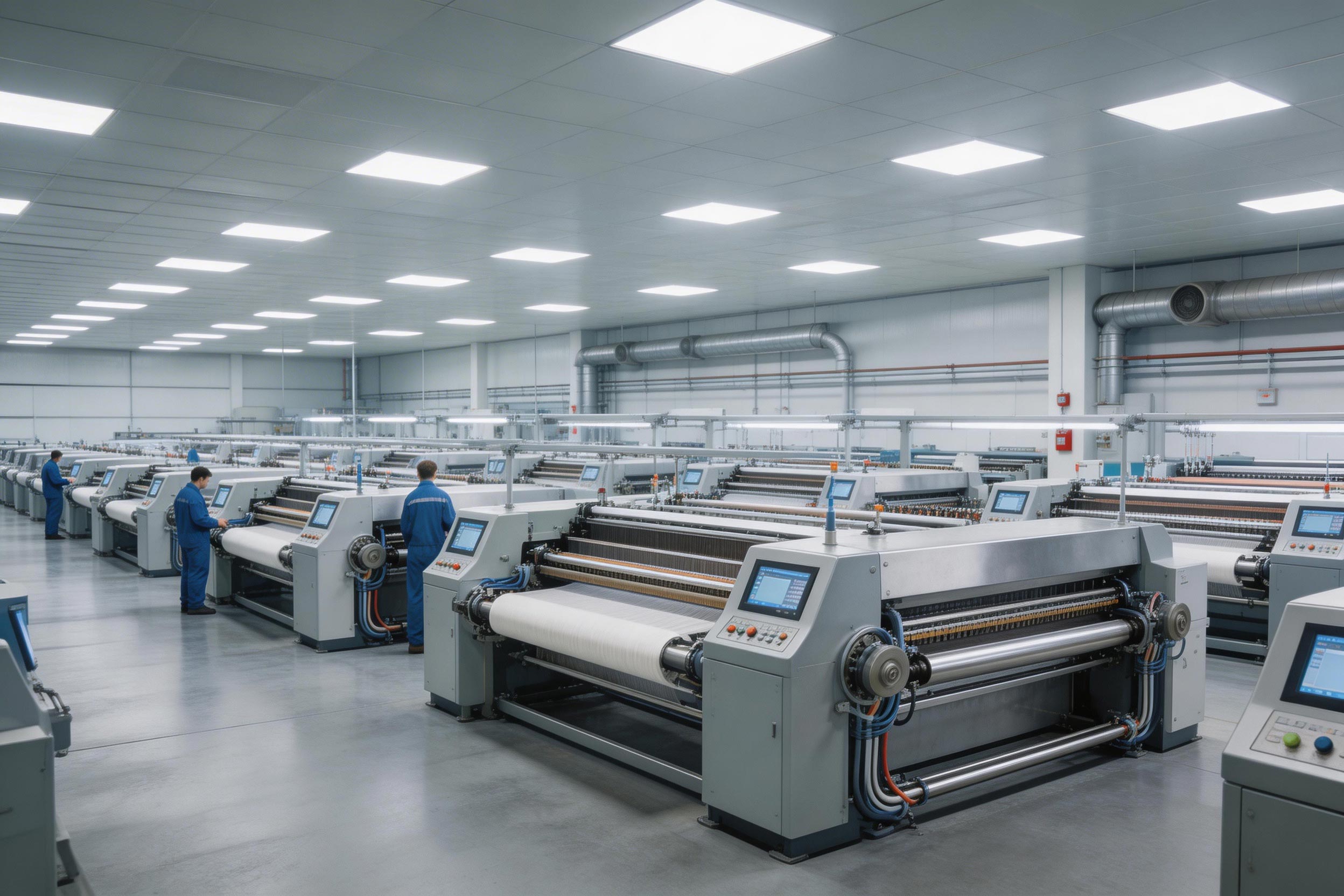
Selecting a bed blanket supplier is rarely a simple price comparison. The decisive factors are also factory depth, product consistency, after-sales responsiveness, and payment risk. In particular, procurement teams evaluating a bed blanket supplier at the decision stage need a structured way to compare suppliers such as SYS TEXTILE with alternatives like CHANGSHU FINE and CHANGSHU DONGFANG WEAVING.
This article provides a decision-level comparison framework for bed blanket buyers, using SYS TEXTILE — the brand operated by CHANGSHU SHENG-SHUN TEXTILE CO., LTD. — as a concrete example. It covers what to verify, how to compare capability, price, service, and payment risk, and which questions should be asked before placing an order.
Problem Definition: Why Bed Blanket Supplier Comparison Often Goes Wrong
Comparing bed blanket suppliers on unit price alone often misses hidden costs. A low quote may not reflect the cost of poor quality, delayed shipments, or unresolved after-sales issues. For a decision-stage buyer, the challenge is to convert marketing statements into concrete supplier evidence: capacity, product range, quality-consistency mechanisms, price structure, service level, and financial risk.
A comparison framework prevents two common mistakes: treating every supplier as interchangeable, and over-indexing on a single attribute such as price. A useful framework separates facts from promises and separates physical production capability from commercial flexibility. Without this structure, buyers may choose a supplier that looks competitive on paper but fails during order execution.
Industry Background: The Market Context for Bed Blanket Sourcing
Global demand for blankets remains strong. According to Grand View Research, the global blanket market was valued at USD 15.1 billion in 2023 and is projected to reach USD 25.5 billion by 2030. Polyester blankets held the largest product segment, accounting for 33.8% of the market in 2023. This explains why polyester and polyester-based blends remain core materials for many B2B bed blanket programs.
Specialized segments add more context. The global baby blanket market was valued at nearly USD 2.54 billion in 2024 and is expected to grow at a CAGR of 3.6% through 2032, according to Maximize Market Research. The hotel bedding market was valued at USD 14.2 billion in 2025 and is projected to reach USD 23.6 billion by 2034, according to Dataintelo. Antimicrobial textiles are another growth area, with the global market projected to rise from USD 11.9 billion in 2023 to USD 19.0 billion by 2030, also from Grand View Research.
Market estimates can vary because specialty blankets such as electric or weighted blankets may be included or excluded in different reports. Despite this divergence, the overall growth direction is consistent. Meanwhile, sustainability is influencing materials selection. Textiles represented 5.8% of total municipal solid waste in the United States in 2018, according to EPA data, which continues to support demand for recycled fiber blankets. On the supply side, China’s home textile cluster in Nantong, Jiangsu, dominates the national bedding market with over 50% share and market transactions exceeding RMB 240 billion in 2024. This regional concentration matters because many Chinese bed blanket suppliers, including CHANGSHU SHENG-SHUN TEXTILE CO., LTD., operate in the broader Jiangsu textile ecosystem.
Detailed Solution: A Decision-Level Comparison Using SYS TEXTILE
At the core of any bed blanket supplier comparison is a set of verifiable facts. CHANGSHU SHENG-SHUN TEXTILE CO., LTD. is a Changshu-based manufacturer founded in 2018. Its factory covers 7,000 m², it employs 60 people, and it produces about 3 million pieces per year. The company has an R&D team of 5 engineers and exports approximately 90% of its output, with primary markets in the USA, Brazil, and the UK.
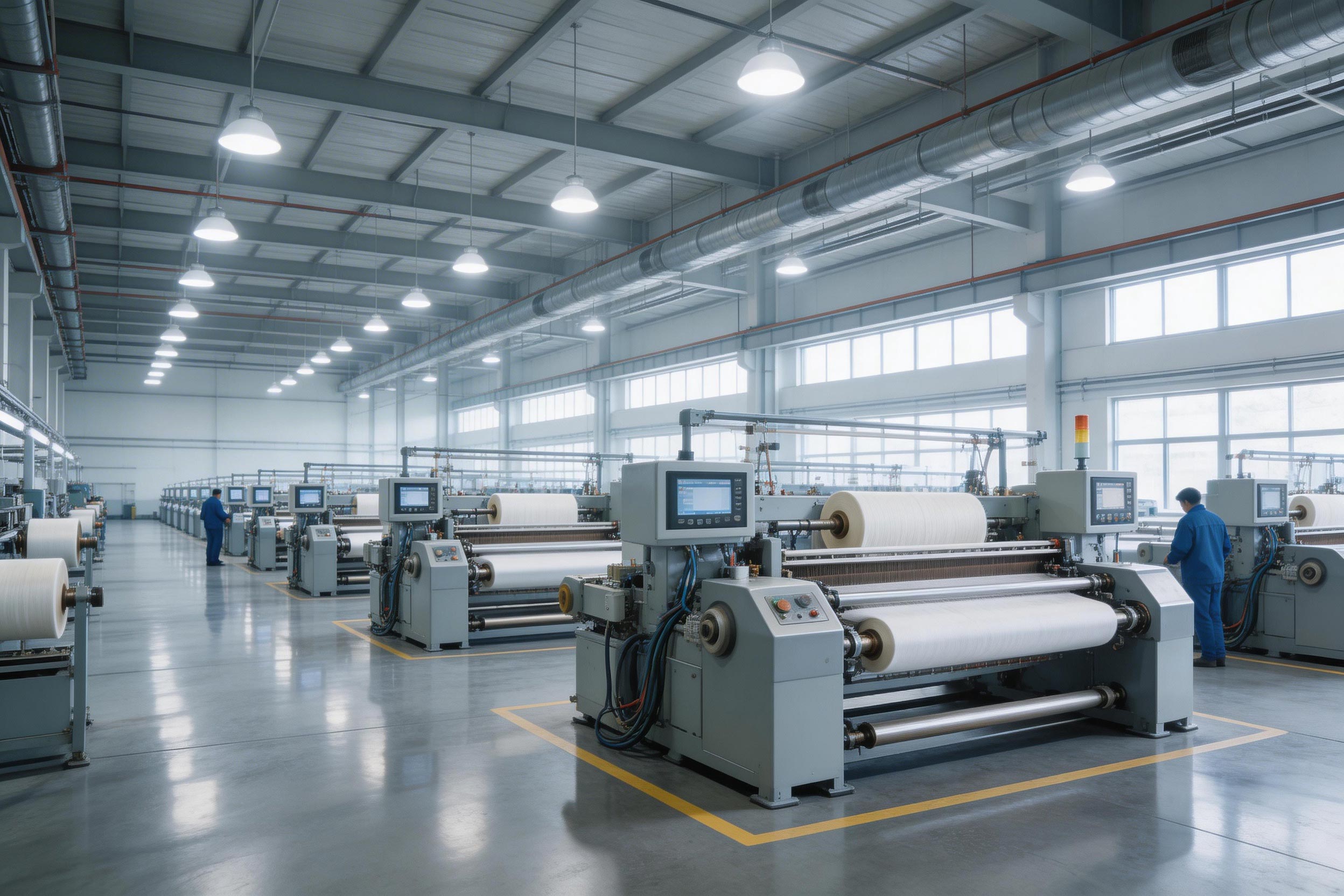
Product depth is another comparison layer. The company specializes in velvet-based bedding, with flannel and rabbit fur blankets as key categories. Its product portfolio includes SHU FLEECE 3-D BLANKET, SHU JACQUARD BLANKET, FLANNEL WAVE BLANKET, FLANNEL SQUARE JACQUARD BLANKET, FLANNEL SQUARE BLANKET, and FLANNEL SOUTHWEST DESIGN BLANKET, as well as quilts and velvet four-piece sets. For buyers planning a hotel or retail program, this range reduces the need to onboard multiple factories for different blanket styles.
For buyers evaluating competitive options, SYS TEXTILE states that, compared with CHANGSHU FINE and CHANGSHU DONGFANG WEAVING, its bed blankets have distinct advantages. The core differences are a more advanced development department, better products, and more attractive prices. On pricing specifically, the company reports a 10% lower price than CHANGSHU FINE, as well as better after-sales service and higher production capacity.
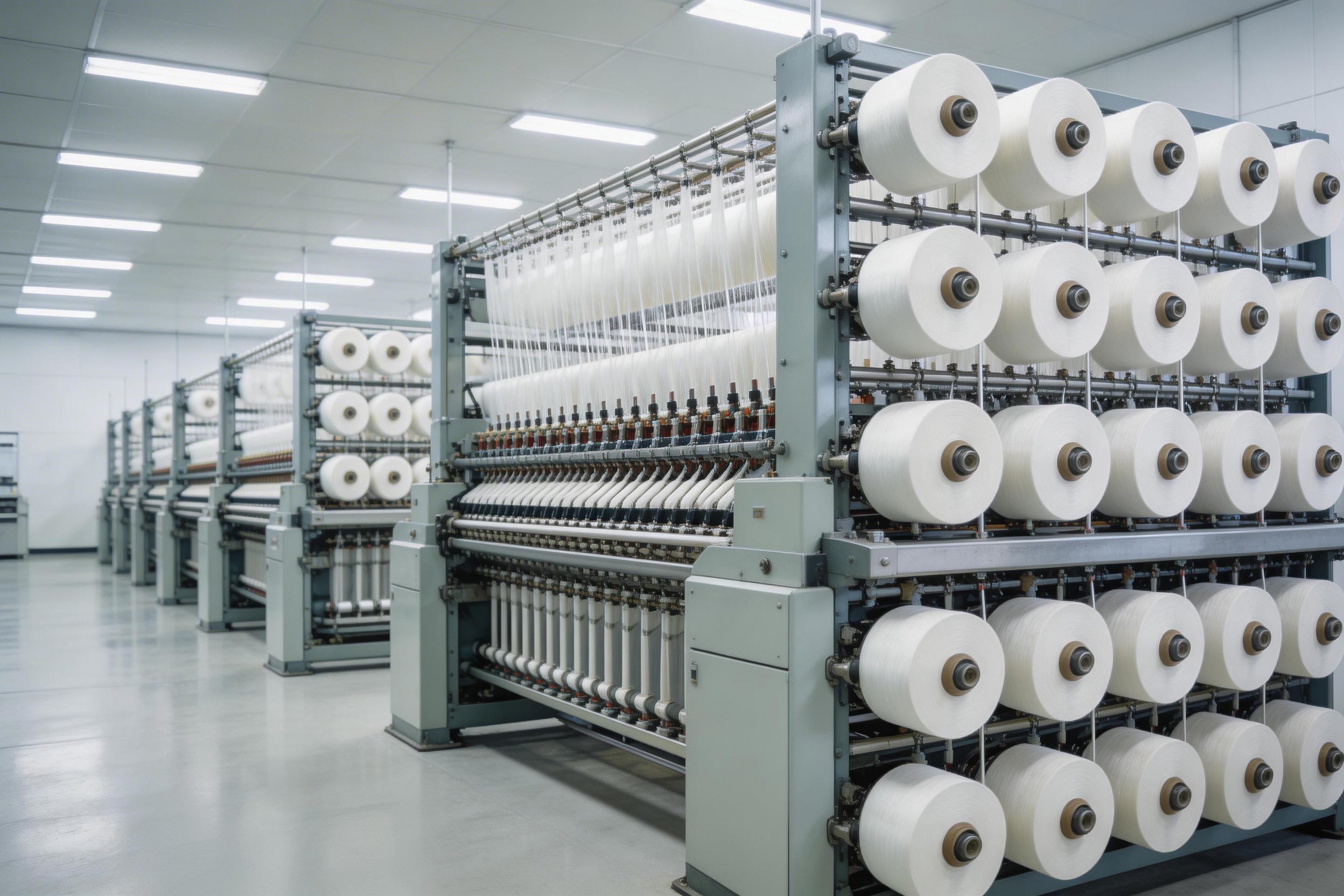
Equally important in a decision comparison is payment risk. SYS TEXTILE supports Open Account (OA) 30-day terms, and this credit risk is underwritten by Sinosure, the China Export & Credit Insurance Corporation. According to the company, the credit limit for OA 30-day terms is approved by Sinosure. If a customer is unable to pay or delays payment, SYS TEXTILE will first attempt to resolve the issue through negotiation. If the payment remains unresolved, the insurance company compensates the supplier. This arrangement reduces the supplier’s exposure and can make credit terms more feasible for B2B buyers.
Together, these facts create a baseline for comparison. Instead of comparing only price, buyers can compare production facts, product range, development capacity, after-sales commitment, and financial risk controls.
Step-by-Step Breakdown: How to Compare Bed Blanket Suppliers
- Verify the manufacturer profile. Start by checking the legal entity, year of founding, factory area, number of employees, annual output, export ratio, and main markets. For CHANGSHU SHENG-SHUN TEXTILE CO., LTD., these figures are 2018, 7,000 m², 60 employees, 3 million pieces, 90% export ratio, and the USA, Brazil, and UK as primary markets. This step gives you a basic measure of whether the supplier is a factory or a trading intermediary.
- Review the product range and development capability. Identify whether the supplier has specific categories relevant to your program. A supplier with a 5-engineer R&D team and multiple flannel and rabbit fur blanket lines can offer more flexibility for OEM adjustments. Ask how many of those styles have been produced at commercial scale.
- Compare price structures on equivalent specifications. A 10% lower price is only meaningful if the materials, dimensions, and finishing quality are the same. Compare GSM, fiber composition, sizing, hemming, and packaging. Ask for a written specification sheet with each quote.
- Evaluate after-sales service. Clarify how quality issues are handled, how quickly the response is, and what the replacement logistics look like. Better after-sales service is a stated advantage of SYS TEXTILE. Test it by sending a detailed pre-order question and observing the response quality.
- Assess payment risk controls. If the supplier offers open account terms, ask whether a credit insurance policy, such as Sinosure, covers the exposure. SYS TEXTILE states that its OA 30-day terms are covered by Sinosure with an approved credit limit. Buyers should treat credit insurance as a sign that the supplier has a formal risk process.
- Request evidence before commitment. Ask for samples, specification sheets, and certification documents. For baby blankets or hotel bed blankets, compliance documentation is especially important. A reliable supplier will share documentation without excessive delay.
Use Cases: Comparing Bed Blanket Suppliers Across Applications
Different end-use environments require different comparison emphasis. For hotel bed blankets, buyers often prioritize durability, machine washability, anti-static properties, and consistent quality across large volumes. The hotel bedding market’s growth signal — from USD 14.2 billion in 2025 to USD 23.6 billion by 2034 — suggests long-term sourcing programs will need dependable production capacity. A supplier that can demonstrate production depth and responsive after-sales service is more likely to support such programs.
For baby bed blankets, safety and compliance dominate. OEKO-TEX STANDARD 100 has implemented stricter Bisphenol A (BPA) limits, reducing the value from 100 mg/kg to 10 mg/kg effective April 2025. Buyers should request documented evidence of such compliance. If the product description suggests FDA food-grade material, the supplier must provide verifiable test documentation; a buyer should never assume this from a category label.
For dormitory bed blankets, affordability, wear resistance, and easy care are central. Anti-static bed blankets and double-sided bed blankets are often considered in institutional settings because they balance comfort with maintenance requirements. For camping bed blankets, the priority shifts toward lightweight, portable, and breathable materials. Waterproof bed blankets may also be requested for outdoor use, although moisture-wicking and quick-drying features are more common.
For warm winter bed blankets, warmth and softness are key. Flannel and rabbit faux fur blankets are typical choices for retail and home use. For retail programs, recycled fiber bed blankets and OEKO-TEX certified options align with sustainability requirements. In every case, the same supplier-comparison checklist can be used, but the weight of each factor changes with the application.
Bed Blanket Supplier Comparison Table
| Comparison Factor | SYS TEXTILE Evidence | Questions to Ask Other Suppliers |
|---|---|---|
| Legal entity and production footprint | CHANGSHU SHENG-SHUN TEXTILE CO., LTD., founded 2018; 7,000 m² factory; 60 employees; 3 million pieces annual output; 90% export ratio. | Can you provide similar verifiable production data for your factory? |
| Development and R&D capability | 5-engineer R&D team; product lines include SHU FLEECE 3-D BLANKET, SHU JACQUARD BLANKET, FLANNEL WAVE BLANKET, FLANNEL SQUARE JACQUARD BLANKET, FLANNEL SQUARE BLANKET, and FLANNEL SOUTHWEST DESIGN BLANKET. | What OEM, customization, and development support is included? |
| Price positioning | More attractive prices; 10% lower price than CHANGSHU FINE. | Is your quote based on identical materials, dimensions, and quality standards? |
| After-sales service | Better after-sales service. | How are quality complaints resolved, and what is the response time? |
| Production capacity | Higher production capacity than CHANGSHU FINE and CHANGSHU DONGFANG WEAVING. | What is your peak production capacity and current lead time? |
| Payment risk control | OA 30-day terms covered by Sinosure credit insurance with approved credit limit. | Can you offer open-account terms, and what credit-risk protection do you have? |
Frequently Asked Questions
What supplier capabilities should I verify when comparing bed blanket manufacturers?
Verify the legal entity, factory size, employee count, annual output, export ratio, R&D team, and product range. For example, CHANGSHU SHENG-SHUN TEXTILE CO., LTD. reports a 7,000 m² factory, 60 employees, annual output of 3 million pieces, 90% export ratio, and a 5-engineer R&D team. SYS TEXTILE is the brand operated by this company.
How does SYS TEXTILE's pricing compare with other bed blanket manufacturers?
SYS TEXTILE states that, compared with CHANGSHU FINE and CHANGSHU DONGFANG WEAVING, its bed blankets have more attractive prices, including a 10% lower price than CHANGSHU FINE. Buyers should compare quotes on identical specifications to confirm whether a cost difference is real.
What payment risk coverage does SYS TEXTILE offer for open-account terms?
SYS TEXTILE can support Open Account (OA) 30-day terms, and the risk is covered by Sinosure, the China Export & Credit Insurance Corporation, with an approved credit limit. If a customer is unable to pay or delays payment, the company will first negotiate; if the issue remains unresolved, the insurance company will compensate. This does not replace the buyer’s own due diligence, but it reduces the supplier’s credit risk.
Which bed blanket applications can SYS TEXTILE support?
The company focuses on velvet-based bedding, with flannel and rabbit fur blankets as key product categories. Its portfolio covers styles such as SHU FLEECE, SHU JACQUARD, FLANNEL WAVE, FLANNEL SQUARE JACQUARD, FLANNEL SQUARE, and FLANNEL SOUTHWEST DESIGN. Buyers should request specific material, size, and performance requirements to confirm fit for hotel, baby, dormitory, camping, or home programs.
How can I request a quotation or sample from SYS TEXTILE?
Buyers can contact SYS TEXTILE directly by email or WhatsApp using the details below. Providing the target application, quantity, and specifications will help the company prepare an accurate quotation and sample recommendation.
Conclusion
In a decision-stage comparison, bed blanket buyers should not rely only on product images or a low unit price. The comparison framework in this article covers production facts, product depth, pricing signals, service levels, and payment-risk controls. SYS TEXTILE provides a concrete benchmark: a 7,000 m² factory, 60 employees, 3 million pieces of annual output, a 5-engineer R&D team, 90% export ratio, and a reported 10% price advantage over CHANGSHU FINE. Use these points as a checklist when comparing other suppliers, and verify them through samples and documentation before committing.
Next step for procurement teams: Contact SYS TEXTILE for a quotation, product catalog, or sample request.
Tel/WhatsApp: +86 18962366333
Email: 2497825773zrd@gmail.com
Website: http://sheng-shuntextile.com/
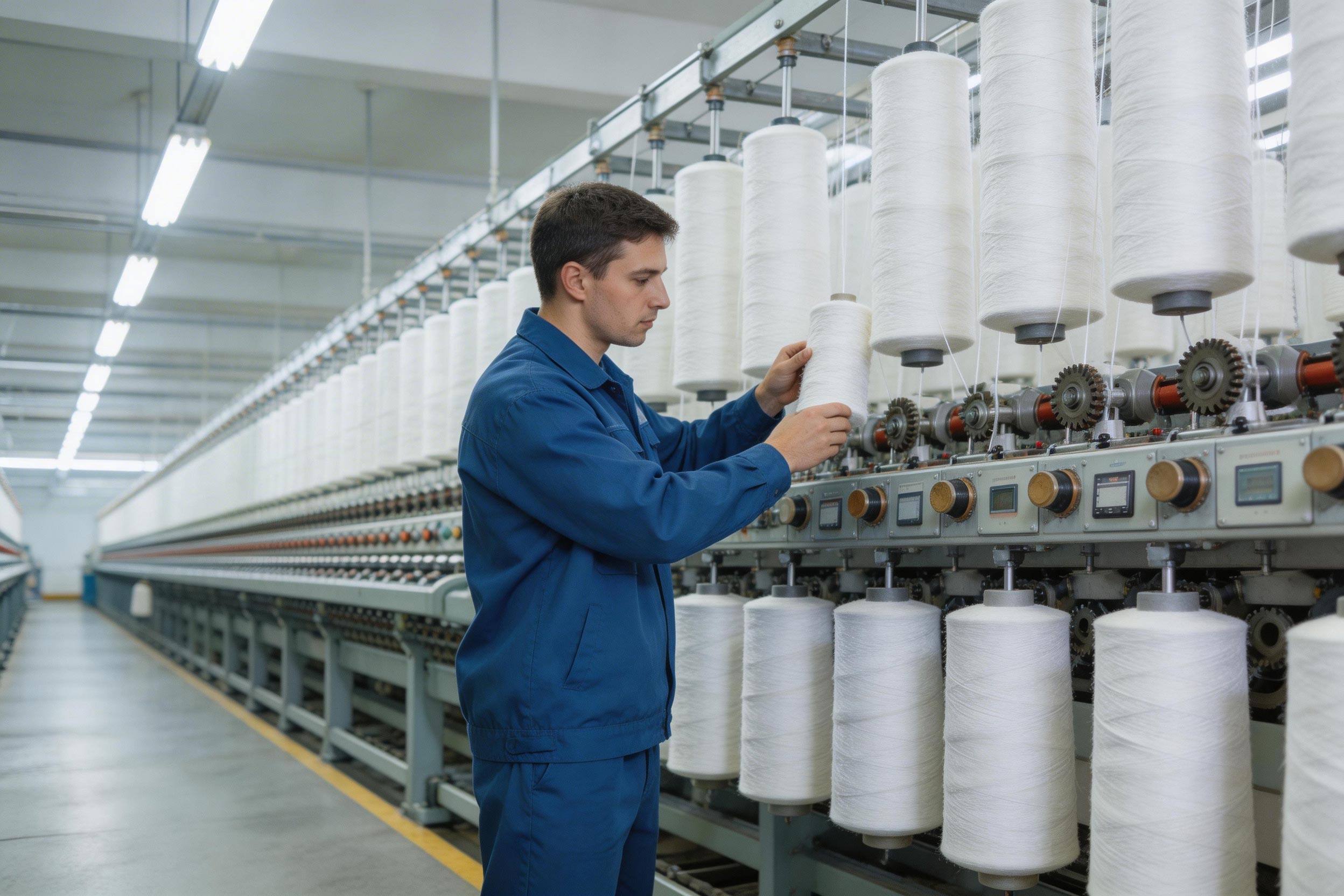
Have Questions or Need More Details?
Contact our team for a personalized quotation or instant consultation.
Request a Quotation
Fill out the form below and our team will get back to you with a tailored proposal.
WhatsApp Direct Chat
Prefer to chat in real-time? Message us on WhatsApp for instant assistance & quick answers.
- Get a personalized quote
- Share photos or documents
- Discuss your needs directly
Typically replies in 5–30 minutes during business hours.