
Matching Bed Blanket Fabrics to B2B Projects: Flannel, Shu Fleece, Rabbit Fur and Velvet
Bed blanket sourcing rarely fails in production. It fails in specification. Two buyers can place orders with the same mill, in the same month, at the same minimum order quantity, and end up with one programme that repeats cleanly for years and one that stalls at pre-shipment inspection. The difference is usually whether the fabric was matched to the project before the purchase order was written.

SYS TEXTILE production facility, Changshu, Jiangsu — where flannel, Shu Fleece, rabbit fur and velvet bedding programmes are manufactured.
This guide is written for B2B buyers, product managers and sourcing teams that have already decided to purchase bed blankets and now have to choose the surface. It covers the four fabric families produced by SYS TEXTILE — flannel, Shu Fleece, rabbit fur and velvet — and converts them into a matching sequence that can be taken directly into a supplier conversation.
SYS TEXTILE (CHANGSHU SHENG-SHUN TEXTILE CO LTD) is a Changshu, Jiangsu-based textile manufacturer founded in 2018. The company operates a 7,000 m² factory with 60 employees and a five-engineer development team, produces approximately 3 million pieces per year, and exports around 90% of its output to the United States, Brazil and the United Kingdom. Its core business is velvet bedding, with flannel and rabbit fur blankets as the key product categories.
Problem Definition: Fabric Is Usually Chosen Before the Project Is Defined
Most mismatches in home textile trade programmes follow one of four patterns, and none of them are manufacturing defects.
Pattern-led buying. A buyer sees a FLANNEL SOUTHWEST DESIGN BLANKET in a lookbook and orders it into a hotel refurbishment that specified tone-on-tone surfaces. The blanket is correct; the match is wrong, and the correction happens at delivery.
Impression-led buying. A surface is selected from a photograph, then compared against the retail positioning of the brand. Drape, pile and pattern scale are not visible in a flat image, so the mismatch surfaces only when the first sample is handled.
Compliance added late. Certification and performance requirements are raised two weeks before shipment, after the fabric and construction are already fixed. Documentation requests then arrive at the wrong stage of the production calendar.
Acceptance left undefined. Neither side wrote down who inspects, at what point, against which criteria. The order is technically fine and commercially disputed.
Each of these is a specification problem. The remedy is a fixed matching order — project envelope, fabric family, variant, compliance list, size and customisation schedule, sample validation, then purchasing terms and acceptance criteria.
Industry Background: Large Volume, a Narrow Set of Real Decisions
The blanket category is a high-volume business in which fabric choice is one of the few remaining points of differentiation. According to Fortune Business Insights, the global blanket market was valued at USD 24.97 billion in 2025 and is projected to reach USD 45.86 billion by 2034. On the trade side, customs data aggregated for HS 630140 shows that in 2024 the United States was the top importer of synthetic fibre blankets from China, at USD 1.26 billion.
Two consequences follow for buyers. First, volume at this scale is purchased against written specifications, not against impressions, because the cost of a mis-specified run rises with the size of the run. Second, certification has become a matching criterion rather than an administrative add-on: OEKO-TEX STANDARD 100 is a label for textile products tested for harmful substances, and its Product Class I is the strictest category, covering products for babies and children up to three years.
Fabric matching is where these two pressures meet. A programme that satisfies a retail buyer in Brazil and a hospitality buyer in the United Kingdom may draw on the same factory, the same capacity and the same compliance framework, yet require different surfaces, different variants and different acceptance language.
Detailed Solution: The Four Fabric Families and What Each One Is For
The SYS TEXTILE bed blanket range is organised around velvet-based bedding, with flannel and rabbit fur blankets as key categories. That structure matters for matching, because four families behave differently inside a project specification.
Flannel: The Pattern-Led Family
Flannel is the family to select when the surface itself carries the commercial story. The SYS TEXTILE range includes four named variants: FLANNEL WAVE BLANKET, FLANNEL SQUARE JACQUARD BLANKET, FLANNEL SQUARE BLANKET and FLANNEL SOUTHWEST DESIGN BLANKET. Wave and square describe the geometric treatment of the surface; jacquard indicates a pattern worked into the construction rather than applied on top; southwest design is a distinct decorative direction.
For matching purposes, the choice inside this family is visual rather than structural. Ask which variant fits the buyer's existing assortment, what pattern scale the packaging or shelf presentation can carry, and how colour must stay consistent between the first lot and a replacement lot ordered a year later.
Shu Fleece: The Texture-Led Family
Shu Fleece covers two constructions: SHU FLEECE 3-D BLANKET and SHU JACQUARD BLANKET. The 3-D variant builds a three-dimensional surface effect; the jacquard variant works the pattern into the fabric structure. This is the family to specify when the retail story is touch rather than print — for programmes that compete on how the blanket feels in the hand and how it reads under store lighting.
Matching questions here are about consistency: does the surface effect hold across production lots, and does the finished blanket still deliver the intended visual once it is folded and bagged for retail?
Rabbit Fur: The Pile-Led Family
Rabbit fur blankets use a pile faux fur surface and sit at the accent end of a bedding assortment. They are typically specified where the retail positioning is warmth and texture rather than pattern, and where a single statement piece is expected to lift the surrounding range. The matching discipline is finishing — pile consistency, edge treatment and colour uniformity across lots are the points to confirm at sampling rather than at inspection.
Velvet: The System-Level Family
Velvet is where SYS TEXTILE's core focus sits, and it behaves differently from the other three families because it is often sold as a system rather than a single item. VELVET QUILT covers the individual quilt layer; VELVET FOUR-PIECE BEDDING SET covers a coordinated bedroom set in which the blanket is one component. Buyers assembling a full bedding story should match at the component level — colour, finish and component count across the set — because a mismatch in one piece compromises the whole programme.
Where customisation sits in the match. Size and surface are set at the same meeting. Twin, Queen and King cover most standard programmes, and custom dimensions, patterns and packaging are handled by the five-engineer development team. The company's stated product concept is soft, warm and environmentally friendly, which is a positioning statement of the programme rather than a test result for any individual SKU.
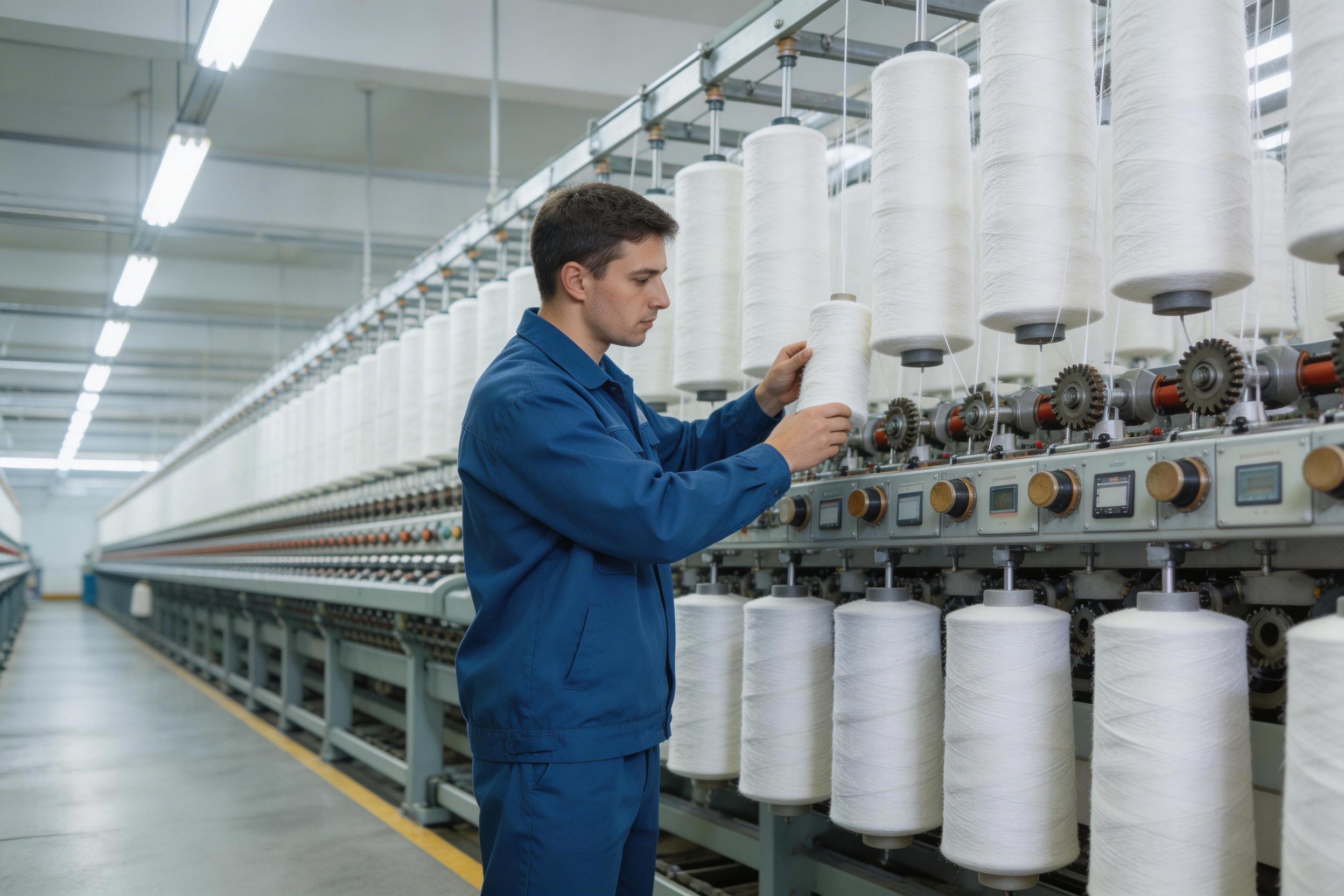
Velvet-based bedding production. Velvet quilts and four-piece sets are commonly matched as a system rather than as separate SKUs.
Step-by-Step: Matching Fabric to Project in Seven Steps
The sequence below is designed to be run in order. Skipping a step moves the risk downstream, usually to inspection or to the second order.
- Write the project envelope first. Record the channel (hotel, baby, dormitory, camping, home retail, export distribution), the target market, the wash regime the product will face in use, the size set, and the packaging format. Every later decision depends on this.
- Choose the family by decision driver, not by preference. If the product sells on look, start with flannel. If it sells on touch, start with Shu Fleece. If it sells on texture as an accent, start with rabbit fur. If it sells as a coordinated bedroom story, start with velvet.
- Choose the variant inside the family. Flannel resolves to Wave, Square Jacquard, Square or Southwest Design; Shu Fleece resolves to 3-D or Jacquard; velvet resolves to quilt or four-piece set. Name the variant in the purchase order so the factory, the sample room and the inspector are working from the same reference.
- Fix the compliance list before sampling. Special requirements for this scenario commonly include OEKO-TEX certification, anti-static, machine-washable, wear-resistant, breathable and decorative pattern options. Where infant products are involved, note that OEKO-TEX STANDARD 100 Product Class I is the strictest class and applies to babies and children up to three years. Ask for the certificate holder, product class, tested components and validity period for the specific product.
- Lock sizing and customisation. Confirm Twin, Queen, King or custom dimensions, pattern direction, and packaging artwork in one written schedule. Custom work is a development activity, so it should be scheduled before the production slot is reserved, not during it.
- Validate with a sample and define acceptance in writing. Sample approval should be documented, not implied. The acceptance clause should state the method: pre-shipment factory full inspection, third-party inspection such as SGS, or buyer on-site inspection, all of which are acceptable to SYS TEXTILE.
- Agree terms and the repeat plan together. Purchasing terms and repeat-order behaviour belong in the same negotiation, because a fabric that cannot be reproduced consistently is a one-off purchase rather than a programme.
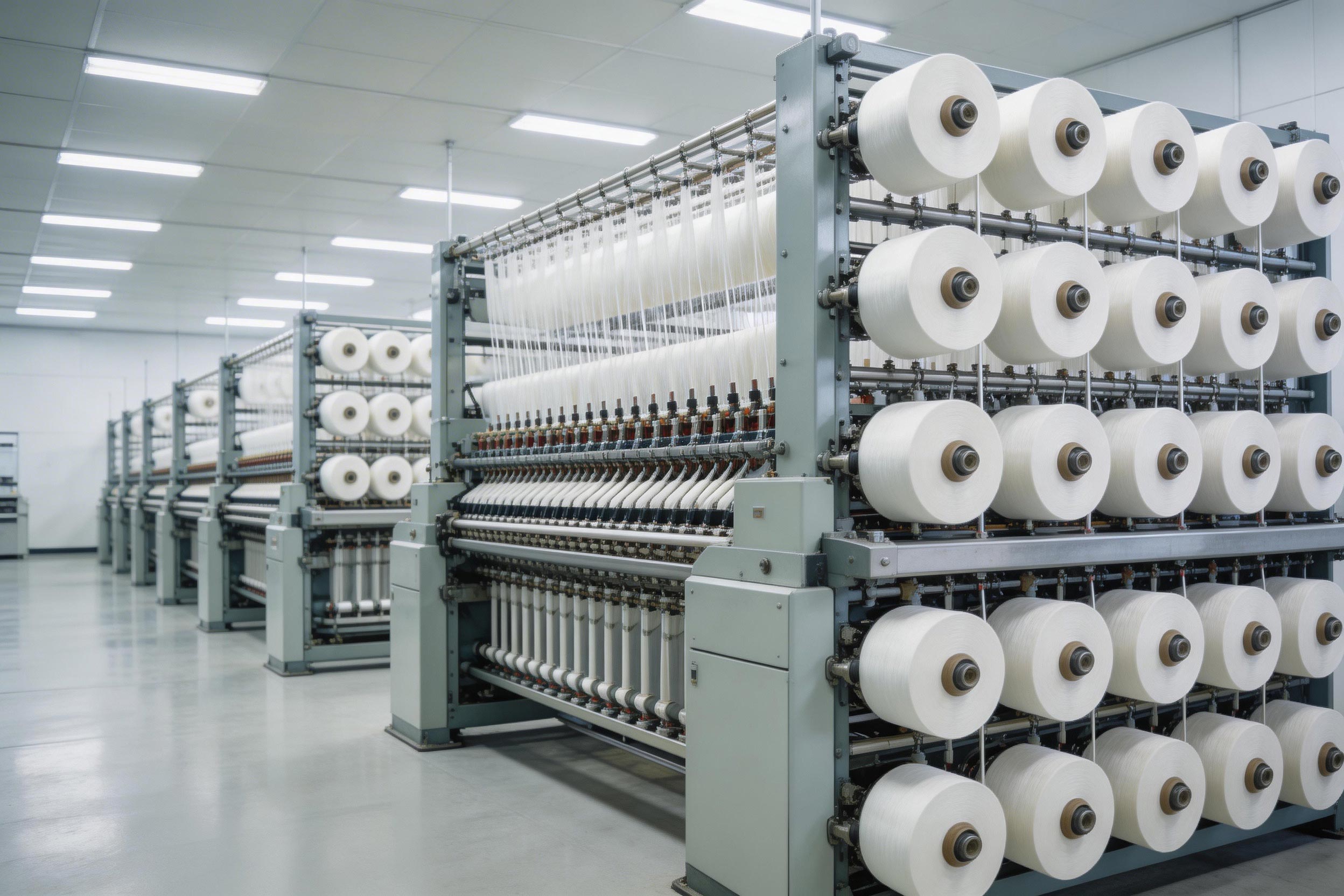
Steps four to seven run through the factory floor: compliance, sizing, sampling and pre-shipment inspection.
Use Cases: Matching the Four Families to Five Project Profiles
Hotel and Hospitality Bed Blanket Programmes
Hospitality buyers specify for replacement cycles, not for a single season. The fabric decision should therefore be made against the colours and finishes that will still be ordered in year three. Velvet quilts and flannel constructions suit coordinated room schemes, and the matching question to settle early is lot-to-lot colour consistency for replacement stock.
Baby Bed Blanket Programmes
Infant ranges are the projects where the compliance step moves to the front. Specify the certification class first, confirm the certificate holder and validity for the exact product, and keep the documentation with the specification. Where a project accepts surface pile, confirm it explicitly in writing rather than assuming it from the description.
Dormitory and Institutional Programmes
Institutional buyers purchase in volume and price replacement against the outcome of a wash cycle rather than against a showroom sample. Machine-washable construction, wear resistance and decorative pattern options are the requirements that usually appear in the specification, and flannel variants or Shu Fleece constructions generally carry the assortment.
Camping and Portable Blanket Programmes
Portable programmes are specified around pack size and handling rather than around interior design. Because finished weight and folded dimensions depend on construction and sizing together, both should be confirmed with the supplier at sample stage instead of being inferred from the fabric family.
Home Retail and Export Distribution Programmes
Distributors building a catalogue usually need more than one family. The workable structure is a flannel core for pattern-led volume, Shu Fleece for texture-led differentiation and velvet four-piece sets for the coordinated tier — matched together so that the catalogue reads as a range rather than as a list.
Bed Blanket Fabric Matching Comparison
The table below converts the four families into a single matching reference. Variant names follow the SYS TEXTILE range; project-fit notes are specification guidance, not performance claims.
| Fabric family and variants | Surface character | Commonly specified for | Confirm before the order | Repeat-programme note |
|---|---|---|---|---|
| Flannel — FLANNEL WAVE BLANKET | Pattern-led surface with a wave treatment | Home retail, seasonal ranges, decorative tiers | Pattern scale, colour consistency across lots | Keep the variant name fixed in repeat purchase orders |
| Flannel — FLANNEL SQUARE JACQUARD BLANKET | Square geometry worked into the construction | Retail assortments, gift and set programmes | Jacquard definition after finishing | Confirm the reference sample is retained |
| Flannel — FLANNEL SQUARE BLANKET | Simple square pattern surface | Institutional, dormitory, volume retail | Wash regime, packing format | Reserve capacity ahead of seasonal peaks |
| Flannel — FLANNEL SOUTHWEST DESIGN BLANKET | Distinct decorative design direction | Retail programmes with a design-led story | Fit against existing assortment and packaging | Check design continuity if the range extends |
| Shu Fleece — SHU FLEECE 3-D BLANKET, SHU JACQUARD BLANKET | Textured fleece with a three-dimensional or jacquard surface | Texture-led retail, differentiation tiers | Surface effect consistency across lots | Retain a physical reference for repeat lots |
| Rabbit fur blanket | Pile faux fur surface | Accent pieces, premium retail, gifting | Pile consistency, edge finishing, colour uniformity | Confirm lot approval before scaling quantity |
| VELVET QUILT and VELVET FOUR-PIECE BEDDING SET | Smooth, dense velvet surface delivered as a component or a coordinated set | Hospitality, coordinated bedroom programmes | Component count, colour match across the set | Plan replacement stock within the same colour range |
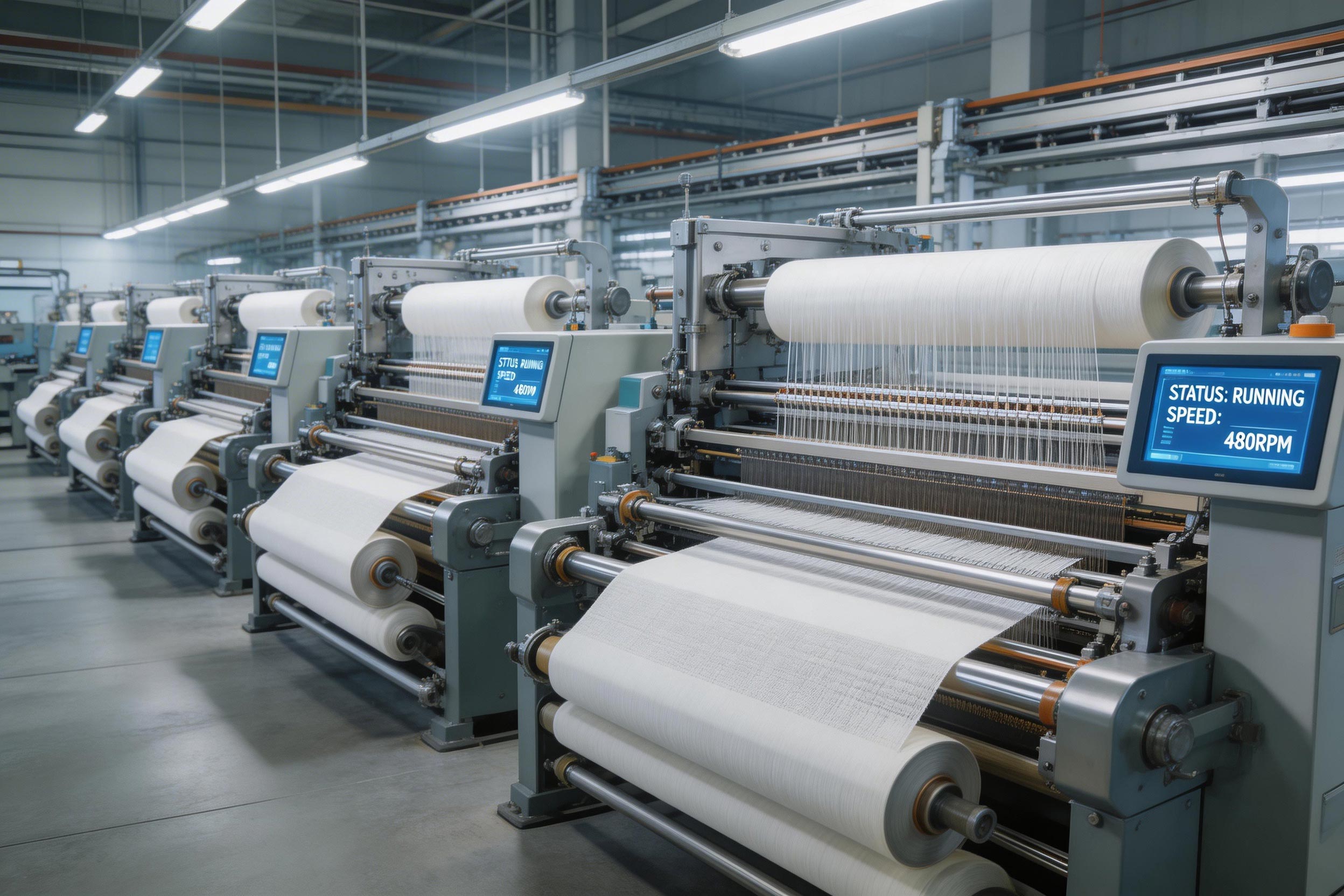
A matching decision made at specification stage is what allows volume programmes to be reproduced on the same equipment.
Purchasing Terms, Acceptance Criteria and Long-Term Programme Fit
A fabric match is only durable if the commercial terms around it are equally clear. SYS TEXTILE works to an MOQ of 1000 pieces, with delivery terms of FOB or CIF and payment terms of 20/80. Acceptance criteria are written rather than implied: pre-shipment factory full inspection, third-party inspection such as SGS, and buyer on-site inspection are all acceptable.
For buyers who require open account terms, the company offers OA 30 days covered by Sinosure (China Export & Credit Insurance Corporation) credit insurance under an approved credit limit. The stated approach to a payment issue is to resolve it through negotiation with the customer first; where a customer is unable to pay or delays payment, the insurer compensates.
Repeat-order reliability rests on capacity and continuity. Monthly production capacity is 300,000 units, against an annual output of around 3 million pieces, and roughly 90% of output is exported to the United States, Brazil and the United Kingdom. On the company's own record, a project completed within a partnership period of more than three years in North America and Europe demonstrates long-term product reliability — the practical test of whether a fabric match survives beyond the first order.
On commercial positioning, the company reports pricing approximately 10% lower than Changshu Fine, together with higher production capacity and stronger after-sales support than Changshu Fine and Changshu Dongfang Weaving, with the range positioned primarily for living room and bedroom use. These are supplier-reported figures and should be treated as a starting point for negotiation rather than as a substitute for a quotation.
FAQ
Which certifications should a bed blanket project specify before sampling?
OEKO-TEX STANDARD 100 is a label for textile products tested for harmful substances, and its Product Class I is the strictest category, intended for babies and children up to three years. Alongside certification, special requirements for this scenario commonly include anti-static, machine-washable, wear-resistant, breathable and decorative pattern options. The correct request is product-specific: certificate holder, product class, tested components and validity period for the exact blanket being ordered, not a general claim.
Can one supplier cover flannel, Shu Fleece, rabbit fur and velvet within a single programme?
Yes, within a defined scope. The SYS TEXTILE range includes four flannel variants (FLANNEL WAVE BLANKET, FLANNEL SQUARE JACQUARD BLANKET, FLANNEL SQUARE BLANKET, FLANNEL SOUTHWEST DESIGN BLANKET), Shu Fleece in 3-D and jacquard constructions, rabbit fur blankets, velvet quilts and velvet four-piece bedding sets. The supporting base is a 7,000 m² factory with 60 employees, a five-engineer development team, monthly capacity of 300,000 units and annual output of around 3 million pieces.
What purchasing terms and payment structures apply to a bed blanket order?
MOQ is 1000 pieces, delivery terms are FOB or CIF, and payment terms are 20/80. For buyers requiring open account terms, OA 30 days is available covered by Sinosure (China Export & Credit Insurance Corporation) credit insurance under an approved credit limit; if a customer cannot pay or delays payment, the insurer compensates after the negotiation route has been attempted.
How should a buyer validate the fabric before bulk production starts?
Validate through a physical sample that is retained as the approved reference, then fix the acceptance clause in writing. Acceptable methods include pre-shipment factory full inspection, third-party inspection such as SGS, and buyer on-site inspection. Naming the method, the timing and the reference sample in the purchase order removes the most common source of dispute in home textile trade programmes.
How is quality held consistent across repeat orders and long-term programmes?
Consistency depends on capacity, retained references and a documented acceptance routine. SYS TEXTILE runs monthly capacity of 300,000 units against output of around 3 million pieces per year, and reports a project completed within a partnership period of more than three years in North America and Europe as evidence of long-term product reliability. Buyers can start the process with a fabric sample and a project brief — covering channel, target market, size set and certification requirement — and request a quotation and reference sample for the matched variant. Contact the team at +86 18962366333 (Tel/WhatsApp), 2497825773zrd@gmail.com, or through sheng-shuntextile.com.
Conclusion: Match the Fabric, Then Buy It
Fabric matching is a short, disciplined exercise: define the project envelope, choose the family by decision driver, name the variant, fix compliance before sampling, lock sizing and customisation, then write the acceptance criteria into the purchase order. Done in that order, flannel, Shu Fleece, rabbit fur and velvet stop being interchangeable options and become four specific tools for four specific projects.
The reason to run the sequence properly is not the first order. It is the second and third, when replacement stock, extended colour ranges and new size sets arrive against an established reference. That is where a matched specification earns its value — and where a supplier relationship is either confirmed or quietly abandoned.
Next Step: Match a Fabric to Your Project
Send the project envelope — channel, target market, size set, certification requirement and expected volume — and SYS TEXTILE will respond with the matched variant, a reference sample and a quotation. MOQ 1000 pieces, FOB or CIF, sample and third-party inspection supported.
Tel / WhatsApp: +86 18962366333 | Email: 2497825773zrd@gmail.com | sheng-shuntextile.com
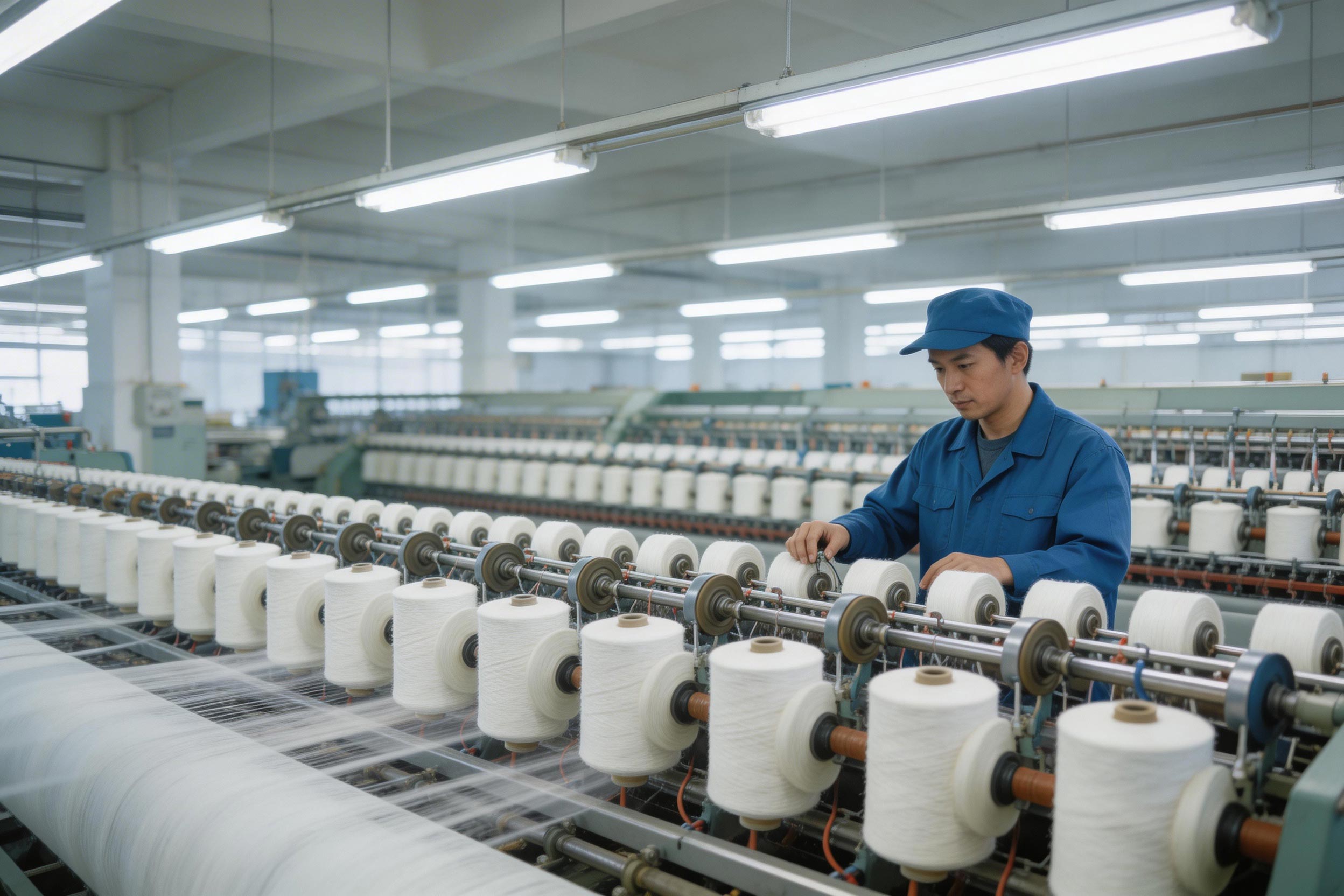
Request a matched sample for flannel, Shu Fleece, rabbit fur or velvet before committing to a production slot.
Have Questions or Need More Details?
Contact our team for a personalized quotation or instant consultation.
Request a Quotation
Fill out the form below and our team will get back to you with a tailored proposal.
WhatsApp Direct Chat
Prefer to chat in real-time? Message us on WhatsApp for instant assistance & quick answers.
- Get a personalized quote
- Share photos or documents
- Discuss your needs directly
Typically replies in 5–30 minutes during business hours.