
Seasonal Bedding Application Guide: Choosing Blankets for Home & Export
Seasonal Bedding Application Guide
Seasonal Bedding Application Guide: Choosing Blankets for Home & Export
Seasonal fit decides whether a bed blanket sells through in one season or becomes slow-moving stock. For a household, that decision is about the climate of a room and how bedding is layered through the year. For an importer, hotel group, distributor or brand, the same question becomes a planning problem: which blanket constructions to carry, in what depth, and for which months.
This guide answers that problem from both directions. It explains where the velvet quilt sits inside a layered bedding system, compares rabbit faux fur and flannel blankets for different climates and interior styles, and converts those choices into a practical assortment plan for home retail and export programs. The product references throughout come from the portfolio of SYS TEXTILE (Changshu Sheng-shun Textile Co., Ltd.), a Changshu-based velvet bedding manufacturer founded in 2018 that exports roughly 90% of its output, mainly to the USA, Brazil and the UK.
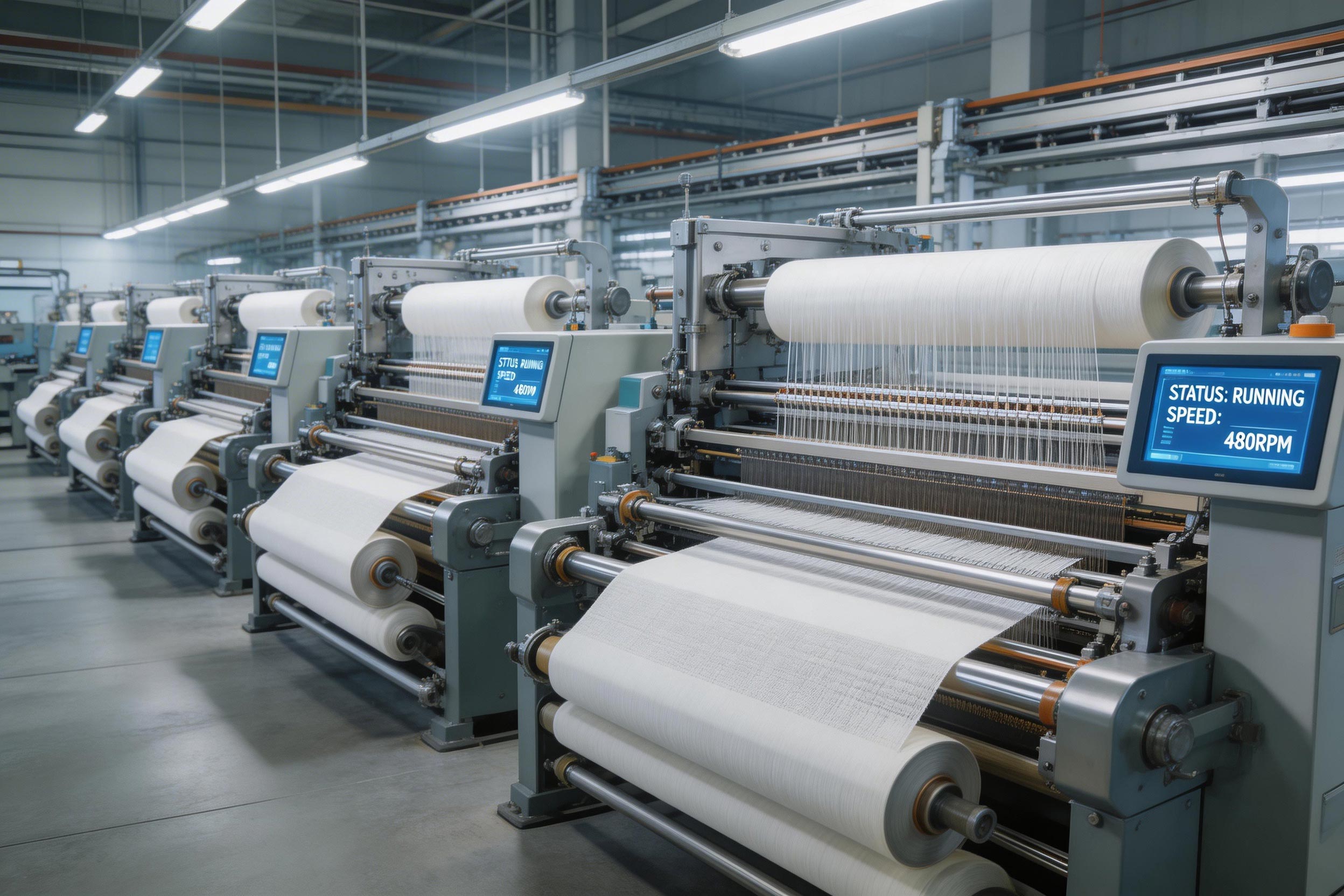
Quick answer: plan by season, not by unit price. Velvet quilts carry spring, autumn and air-conditioned summer as a mid layer. Flannel and Shu fleece constructions take the washing-heavy applications — hotel, dormitory, baby and camping — across the year. Rabbit faux fur blankets carry cold-season retail, hospitality suites and design-led interiors. One production base can cover all three if capacity, certification scope and payment terms are confirmed before the season starts.
Why the Wrong Blanket for the Season Costs More Than a Higher Unit Price
A bed blanket is bought on feel and judged on warmth, but it is paid for on season length. A construction that is too heavy for the climate it ships into sits in a warehouse; a construction that is too light for a market's winter produces returns, complaints and replacement orders that usually cost more than the price difference against a better-suited product.
The mismatch appears in four predictable places:
- Home retail: a warm winter bed blanket delivered after the cold peak becomes next season's markdown, regardless of its quality.
- Hospitality: hotel bed blanket programs are judged on laundering cost per night, not on purchase price alone. A blanket that needs special handling adds operating cost for the whole life of the contract.
- Institutional and dormitory supply: purchasing clusters around intake dates, so the assortment has to be in production before the intake month, not during it.
- Camping and travel: lightweight portable bed blankets sell in the shoulder seasons, where packed volume and weight matter more than loft.
The practical decision rule is to choose the construction by season length, washing frequency and interior style first, and only then negotiate price inside that construction. A slightly higher unit price inside the correct construction is usually cheaper per season than a low price outside it, because storage, markdowns and returns are charged to the buying decision, not to the factory invoice.
Blanket Demand in 2026: What the Market Figures Show
Independent market data puts blanket demand on a growth path, and the composition of that demand is what makes seasonal assortment planning useful rather than theoretical:
- The global blanket market was valued at USD 15.1 billion in 2023 and is projected to reach USD 25.5 billion by 2030 (Grand View Research).
- Polyester blankets held the largest share of the global blanket market at 33.8% in 2023 — the fiber base behind most flannel, Shu fleece and faux fur constructions.
- The global baby blanket market was valued at nearly USD 2.54 billion in 2024 and is expected to grow at a CAGR of 3.6% through 2032 (Maximize Market Research).
- The hotel bedding market was valued at USD 14.2 billion in 2025 and is projected to reach USD 23.6 billion by 2034, a CAGR of 5.8% (Dataintelo).
- Antimicrobial textiles — the category behind antibacterial finishing requests — were valued at USD 11.9 billion in 2023 and are projected to reach USD 19.0 billion by 2030 (Grand View Research).
Two notes on using these figures. First, blanket market estimates differ between research houses because some include electric and weighted blankets while others exclude them; published bases vary widely, so treat any single number as a range indicator rather than a precise figure. Second, supply is concentrated. Jiangsu province, where the Nantong bedding cluster holds more than 50% of China's bedding market share with transactions exceeding RMB 240 billion in 2024, remains the main sourcing region for buyers who need volume, and SYS TEXTILE operates its own 7,000 m² facility in Changshu, Jiangsu.
For buyers benchmarking brand positioning against private label, Grand View Research lists American Blanket Company, Pendleton Woolen Mills and SUMEC Textile Light Industry Co., Ltd. among the major participants in the blanket market — useful reference points when a retail account asks how a sourced program compares with established labels.
The Layering Model: Where the Velvet Quilt Fits
A layered bedding system is built in three functional levels: a base sheet that touches the skin, a mid layer that regulates temperature, and a top layer that adds warmth and visual weight. Seasonal adjustment happens almost entirely in the mid and top layers, which is why the same bed can serve three seasons with two or three interchangeable pieces instead of three complete bedding sets.
The velvet quilt occupies the mid layer. As a quilted velvet piece it works alone in air-conditioned summer rooms, over a sheet in spring and autumn, and underneath a heavier blanket in winter. For retailers this produces a three-season offer from a single SKU; for hotel buyers it reduces the number of distinct items housekeeping has to manage and launder.
Velvet bedding is the core manufacturing focus at SYS TEXTILE, and quilts sit alongside velvet four-piece sets to form a complete velvet bedding line rather than a single seasonal item. That structure matters for export programs: a buyer who needs a coordinated bedding story across seasons can source the mid-layer quilt, the top-layer blanket and the four-piece set from one production base instead of assembling them from several suppliers with different lead times and quality systems.
On fiber, the flannel and rabbit fur blankets in this portfolio share a polyester base, and polyester is not a marginal choice — it held the largest share of the global blanket market at 33.8% in 2023. The company's stated product quality concept is that blankets should be soft, warm and environmentally friendly. Buyers sourcing on sustainability criteria should confirm recycled content and fiber origin program by program: recycled fiber demand is driven by disposal volumes, since textiles represented a 5.8% share of US municipal solid waste in 2018 (EPA), and recycled content claims need documentary support rather than product naming alone.
Rabbit Faux Fur vs Flannel: Matching Construction to Climate and Interior
Rabbit faux fur blankets are the high-pile option in this portfolio: warm, visually rich, and usually placed as the top decorative layer. They suit cold-season retail, design-led interiors, hospitality suites and gift programs, where warmth perception and appearance carry the sale. In the SYS TEXTILE portfolio, rabbit fur blankets are one of the two key product categories alongside flannel, so both can be ordered from the same production line.
Flannel blankets are the brushed, denser, tighter-surface option, and they carry the volume applications. The portfolio includes six flannel and Shu fleece constructions — SHU FLEECE 3-D BLANKET, SHU JACQUARD BLANKET, FLANNEL WAVE BLANKET, FLANNEL SQUARE JACQUARD BLANKET, FLANNEL SQUARE BLANKET and FLANNEL SOUTHWEST DESIGN BLANKET — which support repeated machine washing while holding their surface. That is what makes them suitable for hotel bed blankets, dormitory bed blankets, baby bed blankets and camping blankets, where the blanket will be washed far more often than a decorative home item.
The choice between the two therefore follows the selling point, not the price: choose rabbit faux fur where warmth perception and interior design are the reasons the customer buys, and choose flannel or Shu fleece where wash frequency, wear resistance and unit economics are the reasons the account buys.
| Construction | Base fiber | Typical seasonal role | Application fit | Handling and requirement notes |
|---|---|---|---|---|
| Velvet Quilt | Polyester velvet base | Mid layer for spring, autumn and air-conditioned summer | Home layering, hotel bedding sets, coordinated velvet four-piece programs | Quilted construction; used alone or under a heavier top layer |
| Rabbit Faux Fur Blanket | Polyester base, high-pile faux fur | Top layer for cold seasons and design-led interiors | Winter retail, hospitality suites, gifting | Sold on warmth and appearance; care instructions matter |
| Flannel / Shu Fleece Blanket | Polyester base, brushed flannel | Year-round volume layer, strongest in three-season climates | Hotel, dormitory, baby, camping, home retail | Machine-washable, wear-resistant, breathable; six constructions with decorative pattern options |
The requirement set SYS TEXTILE lists for these seasonal bedding applications is: OEKO-TEX certified, anti-static, machine-washable, wear-resistant, breathable, and decorative pattern options. Certification scope should be confirmed against the exact fabric, dye and finish of each order rather than against the certificate name alone.
Step-by-Step: Building a 12-Month Blanket Assortment
- Map seasons to destination markets. A US or UK winter peak is not a Brazilian peak. The same catalog serves different months in each market, so list the two or three months in which each market actually buys, then build the production calendar backwards from those dates.
- Segment the assortment by application, not by product name. Hotel, baby, dormitory, camping and home programs have different wash cycles, sizes and compliance needs. A hotel bed blanket and a dormitory bed blanket may use the same construction with different sizes and finishing.
- Assign one construction to each tier. Velvet quilt for the mid layer, flannel or Shu fleece for the wash-heavy volume tier, rabbit faux fur for the cold-season top layer and design differentiation. This keeps the assortment legible to buyers and simplifies reordering.
- Validate before committing volume. Request samples, check how the surface behaves after the first washes, and confirm sizes against the destination bed standard rather than the domestic one.
- Confirm documentation scope. Ask for the certificate or test report that covers the exact fabric and finish in the order. Where briefs mention CE marking or food-grade documentation for baby items, verify what the destination actually requires and which report answers that requirement.
- Lock capacity and commercial terms before the peak. Capacity, minimum order quantity, delivery terms and payment structure determine whether the plan survives its first season — the terms used by SYS TEXTILE are set out in the supply section below.
- Plan replenishment instead of one large order. Seasonal peaks are short. A supplier that can add volume mid-season protects sell-through in a way that a single container-sized order cannot.
Application Notes: Six Segments That Buy Seasonally
Hotel Bed Blankets
Hotel bedding is a growth category, valued at USD 14.2 billion in 2025 and projected to reach USD 23.6 billion by 2034 at a CAGR of 5.8% (Dataintelo). Hotels buy on total cost per night, so machine-washability and wear resistance matter more than hand feel. Flannel and Shu fleece constructions absorb the laundering cycle, while velvet quilts serve as mid layers in guest rooms where bedding is supplied as a coordinated set. OEKO-TEX certified materials and anti-static finishing are typical requirements in this segment.
Baby Bed Blankets
The global baby blanket market was valued at nearly USD 2.54 billion in 2024, with growth of 3.6% CAGR expected through 2032 (Maximize Market Research). Softness and repeated machine washing are the two practical selection criteria, and decorative pattern options let retailers differentiate without changing the base construction. Documentation is the gating factor: briefs for baby products frequently specify certification and, in some destinations, food-grade or CE-related documentation. Buyers should confirm the destination requirement and the certificate scope for the specific fabric and dye lot before the order is placed.
Dormitory Bed Blankets
Institutional demand is calendar-driven, with orders concentrated into a short window around intake dates. Lightweight portable and machine-washable constructions hold up well under shared laundry systems, and anti-static finishing reduces handling complaints in dry indoor air. The practical implication is that capacity should be booked before the intake month; a late order cannot be compensated for by a faster shipment.
Camping and Lightweight Portable Blankets
Camping bed blankets sell in the shoulder seasons, where packed volume, weight and breathability matter more than loft. Moisture-wicking and breathable brushed constructions suit tents and vehicle travel, and wear-resistant polyester is a practical base for repeated packing and washing. Waterproof bed blankets belong to a different function — as a protective over-layer rather than an insulating one — and should be planned as a separate line item, not as a substitute for an insulating blanket.
Warm Winter and Home Layering
Home demand is where the layered sale happens. A velvet quilt plus a rabbit faux fur or heavier flannel top layer creates a three-season offer from two SKUs, and the buyer returns for the second piece rather than replacing the first. Winter-weighted products suit cold climates directly; in milder markets the same catalog sells with a lighter top layer and a mid-layer quilt carrying the seasonal change.
Export and Distributor Programs
SYS TEXTILE exports about 90% of production, mainly to the USA, Brazil and the UK — three markets with different seasonal peaks, different interior styles and different documentation expectations. Distributors serving more than one market need a construction mix that covers both a northern cold season and a warmer climate in the same catalog, plus supply terms that allow mid-season replenishment without renegotiating the whole program.
What Long-Term Blanket Supply Actually Requires
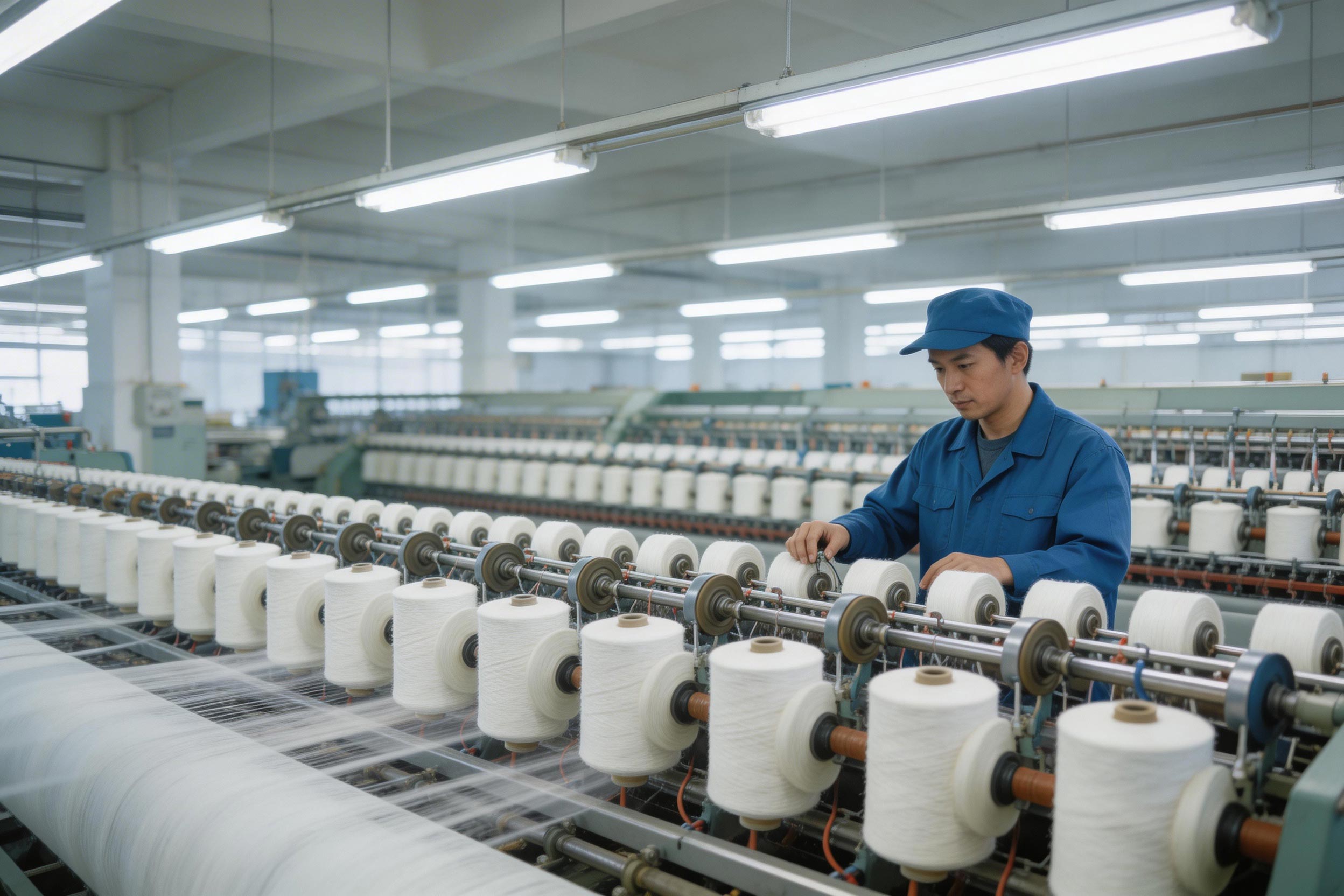
Seasonal planning only works if the supply relationship survives more than one season. SYS TEXTILE operates a 7,000 m² facility in Changshu, Jiangsu, with 60 employees, a five-engineer development team and an annual output of about 3 million pieces. Monthly production capacity is 300,000 units, which is the number that matters when a distributor needs to add volume after the peak has started.
The long-term signal is the partnership record rather than the capacity figure. A project completed within a partnership period of more than three years demonstrates long-term product reliability, with stable operation in commercial applications in North America and Europe. For a procurement team, that is evidence of repeat production on the same specification, which is what seasonal reordering depends on.

Commercial terms: minimum order quantity of 1,000 units, FOB or CIF delivery terms, and a 20/80 payment structure. Quality gates accepted on these programs are pre-shipment factory full inspection, third-party inspection through an agency such as SGS, and buyer on-site inspection.
Payment risk: open account terms of OA 30 days are covered by Sinosure (China Export & Credit Insurance Corporation) credit insurance within an approved credit limit. If a customer cannot pay or delays payment, the supplier first attempts to resolve the matter through negotiation, and the insurance company compensates where the claim is valid. For buyers moving from deposit-based to open account terms, that structure is usually the difference between a trial order and a rolling program.
| Comparison basis | SYS TEXTILE's published note | How a buyer should verify |
|---|---|---|
| Cost positioning | 10% lower price than Changshu Fine on comparable programs | Send the same specification to both suppliers and compare landed cost, not unit price |
| Development resources | More advanced development departments | Request a development sample for a custom construction before awarding volume |
| Production capacity | Higher production capacity | Ask for the month-by-month capacity allocation during your own peak season |
| After-sales | Better after-sales service | Agree response times and defect handling in the contract schedule |
These are the manufacturer's own published comparison notes against Changshu Fine and Changshu Dongfang Weaving, covering living room, bedroom and outdoor use. They should be treated as claims to verify during sourcing rather than as independent benchmarks — which is also how they are presented here.
Frequently Asked Questions
Which certifications and finishes are normally specified for seasonal bed blankets?
Procurement briefs for seasonal bedding applications commonly specify OEKO-TEX certification together with anti-static finishing, machine-washability, wear resistance, breathability and decorative pattern options. Certification scope matters as much as the certificate name: OEKO-TEX STANDARD 100 tightened its Bisphenol A (BPA) limit from 100 mg/kg to 10 mg/kg effective April 2025 (OEKO-TEX Association), so a test report issued before that date may not support a current claim. Buyers should request the report that covers the exact fabric, dye and finish of the order.
What production capacity and development resources support a long-term blanket program?
SYS TEXTILE operates a 7,000 m² facility in Changshu, Jiangsu, with 60 employees, a five-engineer development team and an annual output of about 3 million pieces, against a monthly production capacity of 300,000 units. The portfolio covers velvet quilts, velvet four-piece sets, rabbit fur blankets and six flannel and Shu fleece constructions, which allows a buyer to source mid-layer, top-layer and wash-heavy items from one production base instead of coordinating several suppliers.
What are the MOQ, delivery and payment terms, and how is payment risk handled?
The minimum order quantity is 1,000 units, with FOB or CIF delivery terms and a 20/80 payment structure. Pre-shipment factory full inspection, third-party inspection through an agency such as SGS, and buyer on-site inspection are all accepted as quality gates. For open account business, OA 30-day terms are covered by Sinosure credit insurance within an approved credit limit; if a buyer cannot pay or delays payment, the supplier first seeks resolution through negotiation, and the insurer compensates where the claim is valid.
How should samples and first orders be validated before scaling volume?
Sample validation should test the things that decide sell-through: surface behaviour after repeated machine washing, actual warmth against the destination climate, size against the local bed standard, and finish against the buyer's compliance brief. Because acceptance can include pre-shipment factory full inspection, SGS third-party inspection and buyer on-site inspection, the inspection criteria should be written into the order rather than agreed after production. A workable sequence is sample, then wash test, then inspection protocol, then the first production order.
How can distributors keep supply stable across peak seasons?
Supply continuity depends on booking capacity before the peak and on working with a supplier whose monthly capacity can absorb mid-season additions. SYS TEXTILE produces 300,000 units per month, exports about 90% of output — mainly to the USA, Brazil and the UK — and has completed projects within partnership periods of more than three years, which indicates long-term product reliability rather than one-off order fulfilment. The practical steps are to forecast by market season, confirm the capacity window in writing, and settle replenishment terms at the same time as the first order. Sample sets covering velvet quilt, flannel and rabbit faux fur constructions can be requested through sheng-shuntextile.com.
Conclusion: Buy the Season, Not the Discount
Blanket selection for home and export follows the same logic at different scales. The velvet quilt carries the transition seasons as a mid layer, flannel and Shu fleece constructions absorb the wash-heavy applications across the year, and rabbit faux fur blankets carry cold-season retail and design-led interiors. When those three roles are filled from one production base, the assortment stops being a series of isolated orders and becomes a calendar that can be repeated.
The remaining requirements are operational rather than aesthetic: capacity booked before the peak, certification scope confirmed against the actual fabric and finish, inspection criteria agreed in advance, and payment terms that protect both sides. SYS TEXTILE works to that structure with a 300,000-unit monthly capacity, a minimum order quantity of 1,000 units, FOB or CIF delivery, a 20/80 payment structure and Sinosure-covered OA 30-day terms within an approved credit limit.

Request Samples and a Quotation
Plan the season before it starts. Request the current blanket catalog and a sample set covering the velvet quilt, flannel and rabbit faux fur constructions, and confirm the capacity window for your peak months.
Website: sheng-shuntextile.com
WhatsApp / Tel: +86 18962366333
Email: 2497825773zrd@gmail.com
Address: Chenbei Road, Miaoquan, Guli Town, Suzhou City, Jiangsu Province, China
Have Questions or Need More Details?
Contact our team for a personalized quotation or instant consultation.
Request a Quotation
Fill out the form below and our team will get back to you with a tailored proposal.
WhatsApp Direct Chat
Prefer to chat in real-time? Message us on WhatsApp for instant assistance & quick answers.
- Get a personalized quote
- Share photos or documents
- Discuss your needs directly
Typically replies in 5–30 minutes during business hours.