
Bed Blanket, Quilt or Four-Piece Set: Buyer's Comparison
A bed blanket, a quilt and a four-piece bedding set are not three versions of the same purchase. They sit at different points in the bed-making system, they carry different component counts, and they create different work for the buyer after the order is confirmed. For most B2B programs the first decision is therefore the format — the role the item plays on the bed — and only then the fabric. Fabric decides how a product feels; format decides what the buyer has to source, pack, warehouse and reorder.
The short answer: choose a standalone blanket when one flexible layer, the widest style range and the simplest SKU structure matter most. Choose a velvet quilt when you need a filled top layer that adds loft without committing to a full bedding set. Choose a velvet four-piece set when the sale is a coordinated bed story and your operation can handle multi-component shade matching, set packaging and matched reorders. This comparison separates the three formats on construction and layering role, softness, warmth and eco-friendly positioning, Twin/Queen/King sizing and customization, and the program types each one suits.
Why Format Comes Before Fabric
Bedding sourcing conversations usually start with fabric, but fabric answers a second-order question. A buyer who compares a high-pile rabbit fur-like blanket against a four-piece velvet set on "warmth" is comparing a surface layer against a set whose warmth depends on the duvet inserted into the cover. That comparison fails before it starts, because the two products do not do the same job.
Format decides four things that no fabric specification can correct later:
- Layer role: standalone top layer, filled layer, or the complete visible bed surface.
- Component count: one finished piece, or four components that must match in shade and size.
- Size matrix: a blanket grid, or a set grid where every size multiplies across components.
- Reorder behavior: replacing one style, or keeping four matched components in stock together.
Locking the format first stops later decisions about surface construction, color or finishing from being applied to the wrong product structure.
Market Context Behind the Format Decision
Format decisions are commercial before they are technical. The global blanket market was valued at USD 24.97 billion in 2025 and is projected to reach USD 45.86 billion by 2034, according to Fortune Business Insights (2026). On the trade side, the United States was the largest importer of synthetic-fiber blankets under HS 630140 from China in 2024, at about USD 1.26 billion, based on Chinese customs statistics reported through GACC. Read together, the two figures say something practical: polyester-based constructions carry the volume in the largest import market, so buyers compete on format structure and construction detail at least as much as on fabric naming.
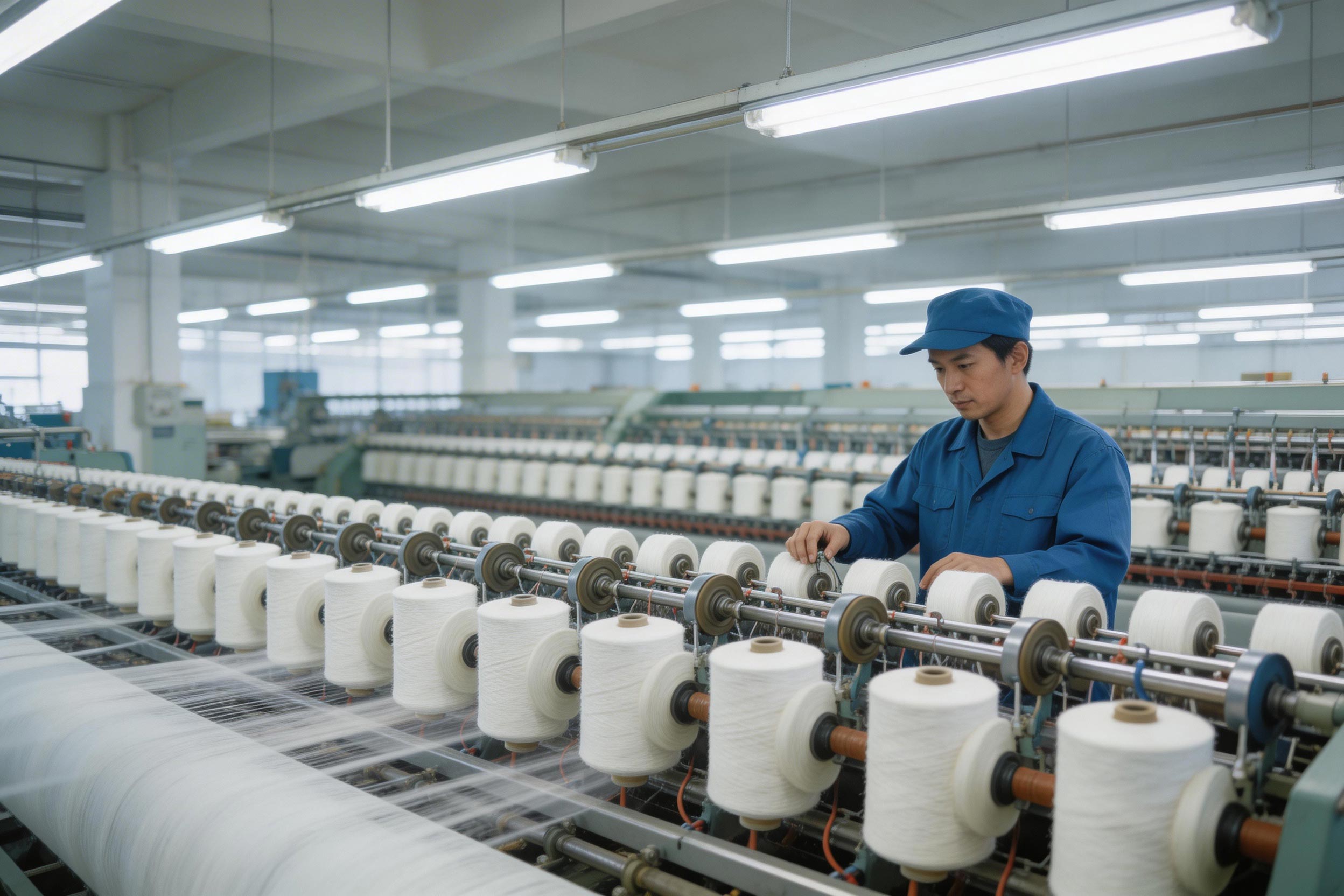
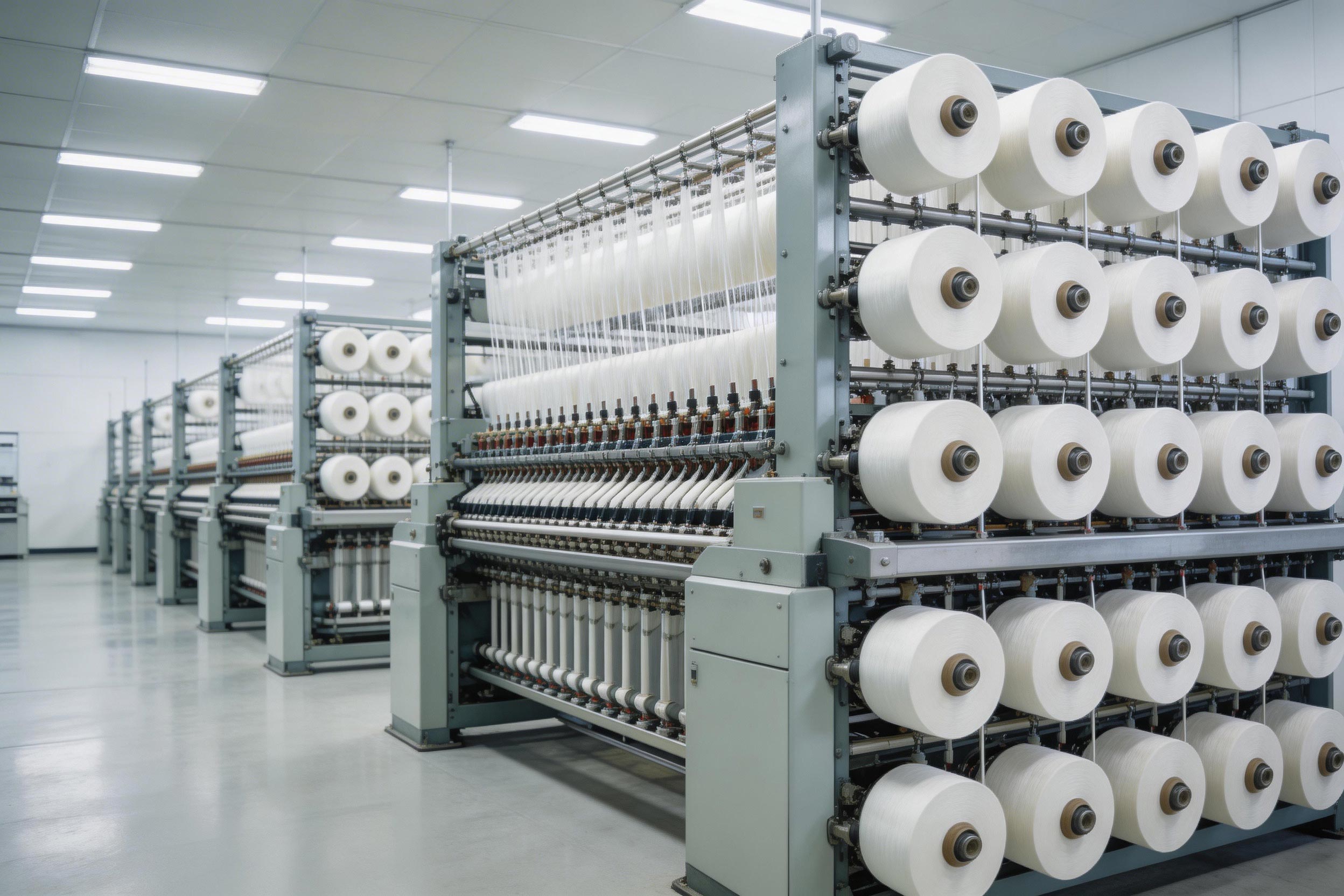
Production is clustered as well. Changshu in Jiangsu Province is a long-established textile city and the base of CHANGSHU SHENG-SHUN TEXTILE CO., LTD. (SYS TEXTILE), a velvet bedding manufacturer founded in 2018 whose line covers flannel and rabbit fur blankets, quilts and velvet four-piece sets. The company operates a 7,000 m² factory with 60 employees and 5 R&D engineers, reports an annual output capacity of 3 million pieces, and exports about 90% of production to the USA, Brazil and the UK.
The Three Formats, Defined
Standalone blankets: Rabbit Fur, Shu Fleece and Flannel
A standalone blanket is a single finished layer with no filling, so its performance comes from the fiber surface rather than from loft. Three constructions cover most of this family:
- Rabbit Fur Blanket — a rabbit fur-like polyester built around a high-pile surface.
- Shu Fleece Blanket — offered in 3D and jacquard versions, where the visual and tactile interest sits in the relief structure of the face.
- Flannel Blanket — available in wave, square jacquard, square and Southwest design versions, with the design language carried by the flannel surface.
Layering role: a top layer, throw or extra layer over existing bedding. Each style, color and size is a separate SKU, which is the format's main advantage and its main catalog risk.
Velvet Quilt: a filled velvet layer
The Velvet Quilt pairs a polyester velvet shell with polyester filling, quilted to hold the filling in position. It is still one item to buy and pack, but it is not a single-material product: shell, filling and quilting are three production inputs with their own tolerances. Layering role: a filled top layer that adds loft a flat blanket cannot supply on its own, without asking the buyer to commit to a full bedding set.
Velvet Four-Piece Bedding Set: the coordinated assembly
The Velvet Four-Piece Bedding Set combines a duvet cover, a sheet and pillowcases, four pieces in total, all in polyester velvet. It is a coordinated bed story rather than one warm layer: the cover is a shell, and the warmth of the finished bed depends on the duvet inserted inside it. Layering role: the complete visible bed surface. Operational role: four components that must agree on shade, size and packaging before a single set ships.
Format Comparison at a Glance
| Dimension | Standalone blanket (Rabbit Fur / Shu Fleece / Flannel) | Velvet Quilt | Velvet Four-Piece Set |
|---|---|---|---|
| Structure | Single layer, no filling; high-pile, 3D or jacquard, or design-printed surface | Polyester velvet shell with polyester filling, quilted | Duvet cover, sheet and pillowcases in polyester velvet |
| Layering role | Top layer, throw, extra layer | Filled top layer with loft | Complete visible bed surface; warmth comes from the duvet inserted |
| Components per sale | 1 | 1 | 4 |
| Hand-feel focus | Pile height and surface structure (rabbit fur-like, 3D, jacquard, flannel design) | Velvet face plus quilting relief | Consistency of velvet hand across all four components |
| Warmth source | Surface fiber only | Filling adds loft | Dependent on the duvet insert chosen for the cover |
| Sizes | Twin / Queen / King, with customization | Twin / Queen / King, with customization | Twin / Queen / King, with customization |
| Program fit | Open-sell retail, gifting, hotel extra layers, single-item dormitory and camping purchases, separate baby layer | Retail and hospitality programs that want a plusher top layer | Coordinated retail sets, e-commerce bundles, higher-ticket bedding programs |
| Main buyer risk | Style and color proliferation across SKUs | Quilting regularity and filling distribution | Shade matching across four components |
The table separates formats, not quality levels. A higher component count is an operational fact, not a quality signal, and every format here is offered in Twin, Queen and King with customization available for program-specific requirements.
Construction and Layering Role: What Actually Changes
On a standalone blanket there is no filling to manage, so quality shows on the surface: pile density and direction on the rabbit fur-like version, the depth and regularity of the 3D or jacquard relief on Shu Fleece, and the evenness of the flannel designs across wave, square jacquard, square and Southwest patterns. Because each style is its own SKU, a wide range is easy to sell and harder to keep consistent — the same flannel design produced in several colors has to hold its appearance from batch to batch.
On the Velvet Quilt, the added inputs are the filling and the quilting. Quilting exists to hold the polyester filling distributed rather than migrating, so a sample round should inspect stitch regularity, edge finishing and how the panel behaves after handling. A quilt's comfort comes from the velvet face combined with filling loft, not from the velvet alone.
On the four-piece set, the duvet cover is a shell. Buyers sometimes compare a set against a blanket using the same warmth language, but the set's thermal performance belongs to the insert the end user chooses. What the buyer actually sources is a matched surface: cover, sheet and pillowcases in one velvet quality, one shade and one size system. That also changes the packing line — one blanket is one folded unit, while one set is four components that must be counted, folded and boxed as a group, with any component shortfall blocking the whole set.
Softness, Warmth and Eco-Friendly Properties
Softness
Softness is a surface property in all three formats, produced differently in each. The rabbit fur-like blanket generates it through high pile; Shu Fleece changes how the surface meets the hand through its 3D or jacquard structure; flannel combines its design with a napped surface. In the quilt and the four-piece set, softness comes from the velvet face, and on the quilt it is modified by the quilting pattern. The practical consequence for a buyer is that softness must be judged on a sample of the actual format: a velvet that works as a quilt shell reads differently once quilted, and a velvet used as a duvet cover must also work as a sheet and a pillowcase.
Warmth
Warmth is where format rather than fabric decides the answer. A blanket insulates at the surface. A quilt adds polyester filling, so it introduces loft. A four-piece set provides no independent warmth beyond its fabrics; the warmth comes from the duvet inserted inside the cover. A warm winter bed blanket program and a four-piece set program are therefore two different specifications even when both use polyester velvet, and comparing them on a single warmth figure would require the same insert, the same conditions and the same measurement method.
Eco-friendly positioning and certification
SYS TEXTILE describes its product quality concept as soft, warm and environmentally friendly, and that language runs across the velvet bedding line rather than one format. It is a positioning statement, not a test result. Where a program needs safety or environmental evidence, the buyer has to ask for documents that name the product. OEKO-TEX STANDARD 100, for example, is a label for textiles tested for harmful substances, and its Product Class I is the strictest class, covering products for babies and children up to three years, according to the OEKO-TEX Association. The existence of the standard says nothing about a specific blanket: the certificate has to name the article, the product class, the certificate holder and the validity period.
The same discipline applies to performance language. Antibacterial, waterproof, moisture-wicking and anti-static descriptions are testable claims, and each needs a report stating the method, the laboratory, the sample and the date. If a program requires recycled fiber content, that requirement belongs in the RFQ as a written specification, because it changes the material input rather than the format.
Sizing and Customization: Twin, Queen and King
Sizing is offered in Twin, Queen and King across the three formats, with customization available for program-specific requirements. The format still changes what a size decision costs.
A blanket in three sizes is three SKUs; add four flannel designs and three colors and the matrix grows quickly, but each SKU stands alone. A four-piece set in three sizes is three set SKUs containing four components each — twelve component lines to plan, match, pack and replenish. Customization compounds this. A custom size on a blanket changes one cutting specification, while a custom size on a set changes the cover, the sheet and, in most cases, the pillowcase dimensions as well.
Two rules follow. First, fix the size grid against the destination market's bedding conventions rather than the factory's default list, and confirm pillowcase sizing conventions in the same conversation. Second, keep one color standard across formats if you plan to sell a blanket and a set side by side, or the two will read as different qualities on the same shelf.
Which Format Suits Which Program
The format question resolves fastest when it is phrased as a program question.
Choose the standalone blanket if…
…you need the widest style range with the simplest SKU logic. Flannel wave, square jacquard, square and Southwest designs, Shu Fleece 3D and jacquard, and rabbit fur-like pile give a catalog several distinct looks from one production family. It also fits programs where the end user buys a single item rather than a bed set: hotel extra layers and throws, gifting and promotional lines, dormitory and camping purchases, and baby bedding where a separate, washable layer is preferred. That last case is exactly where certification discipline matters, because baby items fall into the strictest OEKO-TEX product class.
Choose the Velvet Quilt if…
…you want a plusher, filled top layer without a set commitment. It suits retail and hospitality programs that want visible loft and quilting detail, and catalogs that already sell velvet blankets and want a step up in perceived substance. The trade-off is production complexity: filling and quilting have to be controlled, and the sample round has to test them rather than assume them.
Choose the Velvet Four-Piece Set if…
…the sale is a coordinated bed. E-commerce bedding bundles, retail set programs and higher-ticket bedding lines benefit from a single shade story across cover, sheet and pillowcases. The condition is operational: shade matching, set packaging and matched reorders must be manageable. A set program without that discipline produces partial sets, and partial sets do not sell. Where a program spans more than one format — a velvet blanket plus a matching four-piece set, for instance — both should share a color standard and a size convention so the blanket reads as an add-on rather than a separate product.
A Five-Step Decision Framework
- Define the layer role. Ask what the item replaces on the bed: nothing (a standalone layer), a flat top layer (a filled quilt), or the whole visible bed surface (a set).
- Set the component count you can operate. One piece, or four matched components per sale. This is an operations question as much as a product one.
- Fix the size grid and the color standard before sampling. Twin, Queen and King plus any custom requirement, and one shade reference that has to hold across formats.
- Sample every candidate format in the same size and color family. Compare hand feel, quilting regularity and shade matching on the sample itself, not on a specification sheet.
- Close the commercial loop in the RFQ. Per-piece and per-set pricing, MOQ, lead time, packaging, Incoterm, compliance documents and payment terms, each stated per format.
What Format Choice Does Not Decide
Format settles structure, not everything else. It does not prove compliance: a certificate covers a named product and product class, a blanket certificate does not transfer to a quilt, and neither transfers to the four components of a set without being listed. It does not rank quality inside a format — two flannel blankets in the same design can differ in surface consistency, and two quilts can differ in quilting regularity. Format only sets what should be checked.
It also does not make prices directly comparable. A blanket quote is per piece; a set quote covers four components plus set packaging. Per-piece comparisons across formats are meaningful only once size, color standard, packaging and Incoterm are held constant. On supplier comparison, SYS TEXTILE states that its pricing sits about 10% below CHANGSHU FINE, and cites a more developed development department, higher production capacity and stronger after-sales service relative to CHANGSHU FINE and CHANGSHU DONGFANG WEAVING. These are the manufacturer's own comparisons, not an independent benchmark, so use them as a starting point and confirm them against a like-for-like quotation on the format you intend to buy.
On payment, the company states that 30-day open-account terms are covered by Sinosure (China Export & Credit Insurance Corporation) credit insurance under an approved credit limit, with negotiation first and insurance compensation if a customer cannot pay. Buyers evaluating a first order in any format should treat payment structure as part of the comparison rather than an afterthought.
Manufacturing Context Shared by All Three Formats
All three formats come off the same velvet bedding base, which is why one supplier can compare them credibly. SYS TEXTILE runs flannel and rabbit fur blankets as key categories alongside quilts and velvet four-piece sets, in a 7,000 m² factory with 60 employees, 5 R&D engineers and a company-reported annual capacity of 3 million pieces, exporting about 90% of output to the USA, Brazil and the UK.

A shared base matters for buyers running mixed programs: the velvet face used on a quilt shell and on a set's duvet cover can be developed against one reference, and the blanket range can be styled to sit alongside it. It does not remove the need for a factory audit, sample approval and document checks on the specific product. Capacity and product-line breadth are company-reported figures; they describe what the supplier states it can do, not what a given order will achieve.
Frequently Asked Questions
Do blankets, quilts and four-piece sets need different compliance documentation?
The format changes the paperwork, not the principle. A blanket is one component to declare; a quilt adds a filling that must be listed and assessed; a four-piece set multiplies the components that have to be named, tested and matched. Where a program claims a certification, ask for the certificate naming the exact product, the component and the product class — a general company statement is not a product certificate. OEKO-TEX STANDARD 100, for instance, is a label for textiles tested for harmful substances, and its Product Class I is the strictest class, for babies and children up to three years. Performance claims such as antibacterial, waterproof, moisture-wicking or anti-static behavior need reports stating method, laboratory, sample and date.
Can one supplier deliver all three formats for a single program?
SYS TEXTILE's line covers flannel blankets in wave, square jacquard, square and Southwest design, Shu Fleece 3D and jacquard blankets, rabbit fur blankets, quilts and velvet four-piece sets, produced in a 7,000 m² factory with 5 R&D engineers and a company-reported annual capacity of 3 million pieces. Sourcing all three from one base gives the buyer one color reference and one development conversation rather than three. The capability figures are company-reported; verify them through samples, a factory audit and reference orders before committing volume.
How should buyers compare cost between a blanket and a four-piece set?
Compare per unit of sale, not per component. A blanket quote covers one finished piece. A four-piece set quote covers duvet cover, sheet and pillowcases plus set packaging and shade matching. A quilt sits between the two because of the filling and the quilting step. Ask for per-piece and per-set pricing on the same size, the same color standard, the same packaging and the same Incoterm. SYS TEXTILE states a price level about 10% below CHANGSHU FINE; that is a manufacturer's own comparison, so treat it as a negotiation starting point rather than a market benchmark.
What should a sample round cover for each format?
Sample the format, not just the fabric. For blankets, compare the pile of the rabbit fur-like version against the 3D and jacquard surfaces of Shu Fleece and against the flannel designs. For the Velvet Quilt, check quilting regularity, filling distribution and edge finishing, because those are the failure points a flat velvet swatch cannot show. For the four-piece set, check shade matching across cover, sheet and pillowcases under the same light, plus the size relationship between components. Order the same size and color family across formats so the comparison stays like-for-like, and confirm care instructions for each format before the round closes.
Which format is easiest to reorder, and how should lead time be checked?
The standalone blanket is easiest: a single SKU can be replaced style by style. The quilt is moderately more complex because shell and filling are scheduled together. The four-piece set is the most demanding, since duvet cover, sheet and pillowcases ship as one sale and a shortfall in any component blocks the whole set. Confirm MOQ and current lead time per format in the RFQ rather than assuming one figure covers three formats, and ask how partial shipments would be handled. A practical next step is to request a sample covering all three formats in one size and color family, then quote them side by side before deciding.
Conclusion
The format decision is the one part of bedding sourcing that no fabric upgrade can correct later. Blankets, quilts and four-piece sets answer three different briefs: a flexible single layer, a filled top layer, and a coordinated bed surface. Once the brief is fixed, fabric, size grid, color standard and compliance documents all have somewhere to attach.
For buyers weighing all three, the sequence is short: decide the layer role, decide how many components you can operate, then sample every candidate format in the same size and shade before pricing it. That order keeps a catalog coherent and keeps a set program from turning into four separate sourcing projects.
Have Questions or Need More Details?
Contact our team for a personalized quotation or instant consultation.
Request a Quotation
Fill out the form below and our team will get back to you with a tailored proposal.
WhatsApp Direct Chat
Prefer to chat in real-time? Message us on WhatsApp for instant assistance & quick answers.
- Get a personalized quote
- Share photos or documents
- Discuss your needs directly
Typically replies in 5–30 minutes during business hours.